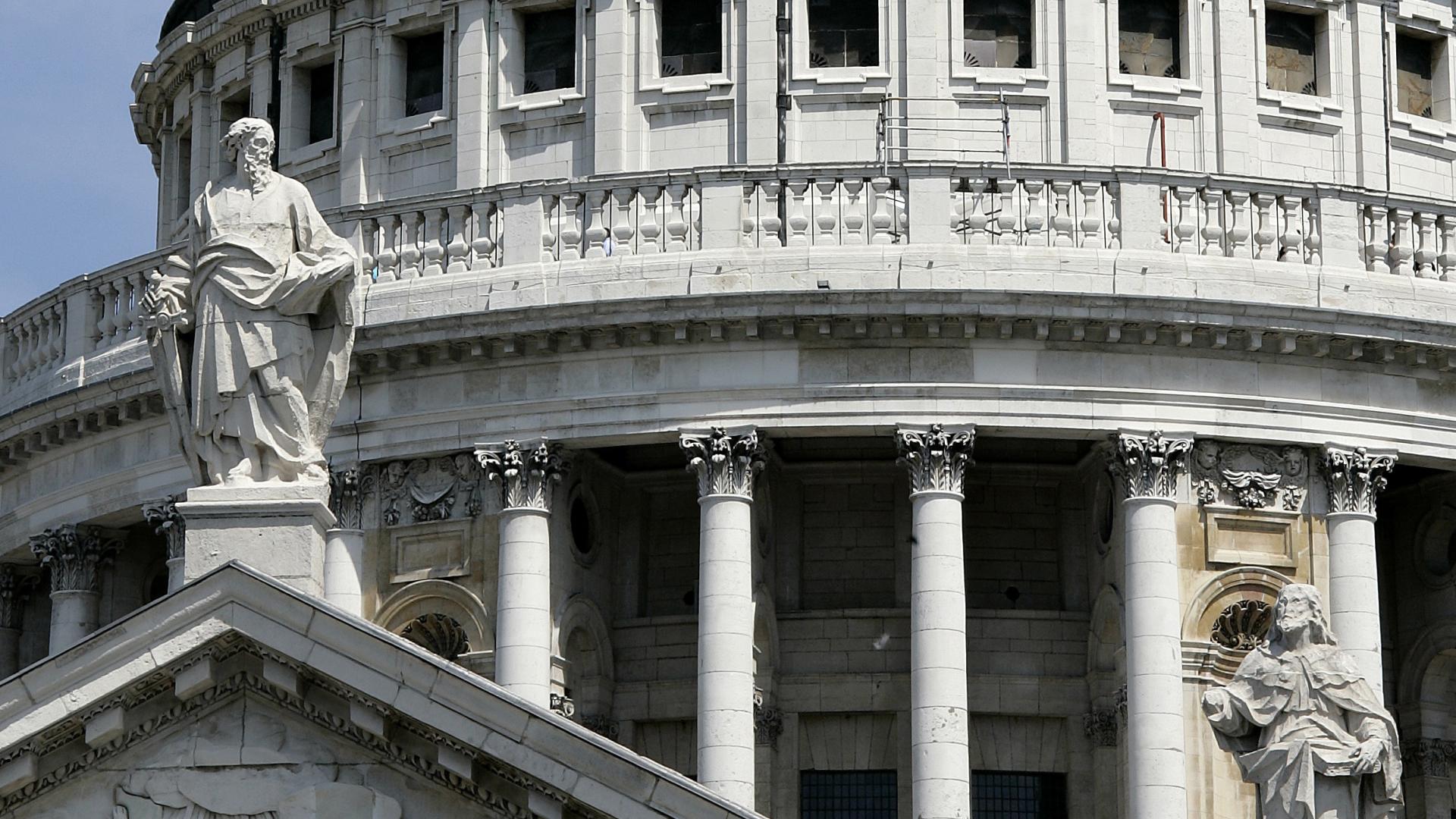
New setting study highlights St Paul’s Cathedral’s vital role in shaping London’s identity
The study explores everything from the Cathedral’s churchyard to distant views across the capital, highlighting how these elements help reveal the Cathedral’s architectural, historic, cultural and spiritual significance.
Intended to assist those who are engaged or interested in the management of the setting of St Paul’s Cathedral, and those applying for planning permission that may affect the setting. The study also considers environmental factors like noise and historical connections such as land use and architectural intent.
While it is not a formal planning policy document, it has been created to inform planning decisions and the formulation of new policy, and is cited in the new City Plan 2040.
The Very Revd Andrew Tremlett, Dean of St Paul’s, comments:
“St Paul’s Cathedral is more than a masterpiece of the English Baroque. This is a building both of exceptional architectural ambition and renown, and also a spiritual focus for the people of the Square Mile, of wider London and the nation. The Cathedral has a tangible visual presence on the internationally recognised London skyline. It is an important symbol of London and the nation.
“This important work is not solely about protection of the setting, which has long been understood in the City processes, but in our terms is about ensuring this incredible building can be appreciated long into the future.”
The report author, Nigel Barker Mills, advocated “Positive engagement to avoid negative impact”. The document provides technical guidance and evidence in accessible sections to guide planners and planning applications with the aim of sustaining Christopher Wren's vision and magic.
Emma Squire CBE and Claudia Kenyatta CBE, Co-Chief Executives, Historic England, added:
“The Cathedral by its nature is also a building for the community. It has been a focus of worship locally and nationally for over 300 years, and far longer if you count its predecessors. This is why it merits special care. We hope this setting study will inform future policy and decision making within the City and across London more broadly, significantly reinforcing the existing framework of protections, and supporting the sector by providing greater clarity about opportunities for sustainable growth.”
Tom Sleigh, Chair, Planning and Transport Committee, City of London Corporation, said:
“Only the Tower of London and the Palace of Westminster can lay comparable claim to having so influenced London’ growth and visual character, yet arguably neither has been so pre-eminent on London’s skyline from so far and so wide as the Cathedral, and consequentially so influential upon its placemaking.
“We celebrate the opportunity to collaborate with the Dean and Chapter and Historic England on this new Setting Study as a way of further emphasising its extraordinary placemaking influence. It will establish a compelling, universally understood baseline from which this great influence may continue to be exerted.”
The skyscrapers and historic buildings form part of a greater story with Wren at the heart. St Paul’s Cathedral defined the City’s visual character, built to dominate London. A symbol of resilience and renewal. The skyline adapts to a growing global city. The cultural anchor of the City as Wren intended.
Oliver Caroe, Surveyor to the Fabric St Paul’s Cathedral comments;
"The city is a changing landscape, St Paul’s Cathedral is not a bystander. Its energetic dynamism produces the skyline of the C21, communicating history, archaeology and resilience.
"The setting study charters the change and is readable, with an enjoyable shared understanding, answering many essential questions."
Oliver thanked all the contributors for their passion and expertise and the collaborative approach to future development.
The setting study
A major new study published by St Paul's Cathedral, in partnership with Historic England and the City of London Corporation, provides the most comprehensive assessment to date of how the Cathedral's setting helps people understand and appreciate one of the nation's most important heritage assets.