Saying yes
Sophia Jones reflects on some of the things God asks us to say yes to.
1. Saying yes to peace
In the Sermon on the Mount, Jesus says, “Blessed are the peacemakers, for they will be called children of God.” He calls us to be people of peace and reconciliation. For those living under Roman oppression, this must have been hard to hear. Many were simply trying to survive—paying taxes, raising families, working, and worshipping—while waiting for the Messiah to come and overthrow Rome.
They must have been confused hearing these words of peace coming from Jesus. They must have been thinking, “Why, if this man is the Messiah, is he talking about peace and making peace?” “Why is he telling us to love our enemies?”.
We live in an age of war and conflict, and in our churches, we pray for peace and for all who suffer its effects. This week (2–4 June), the Anglican Communion’s mission agency, USPG, held its annual conference, “For Christ is our Peace,” rooted in Ephesians 2:14, to explore the Church’s role as an agent of peace in a time of global uncertainty. Speakers from across the Anglican Communion shared their experience and insight.
How do we say yes to peace in daily life? I think it begins by finding peace within our own hearts. For me, that happens in my garden—pottering about in my shed, or among the flowers and plants. It is my haven: a place of joy, prayer, reading the Bible, and deep peace.
The passage in Ephesians speaks of Christ being our peace and that he has broken down the dividing wall and the hostility between us. It is Christ, our Prince of Peace, who proclaimed peace to those of us near and far. We should always say yes to peace because Christ not only commanded it, but he IS our peace.
Let’s start with ourselves and trust Christ to guide our prayers for peace in our communities and the world. We can also act—campaigning, showing solidarity, and supporting groups that promote peace and reconciliation. As children of Christ, let’s say yes to peace.
2. Saying yes to the stranger
The Parable of the Good Samaritan is one we know all too well, yet it could not be more relevant for us today where racism is on the rise and where refugees and asylum seekers of colour are vilified and treated as inferior people. We are living in a world where being black or brown isn’t safe; where the national flag, the Union Jack has been co-opted by some groups to symbolise anti-immigrant sentiment and an intolerant form of nationalism; where racists and white supremacists misuse Christianity by developing extremist theologies and ideologies and falsely co-opt religious symbols and rhetoric to justify racial discrimination and violence.
I love the hymn When I needed a Neighbour. The word that stands out for me is need. The need for rescue, for healing, for food and drink, the need for warmth, the need to be clothed and for shelter. The man who was beaten and robbed and laying on the roadside was no doubt in need of all these things. It was the Samaritan - the one who had mercy on him, someone from a race of people who were despised and seen as outcasts - who said yes to meeting all those needs and more.
When we see headlines in the newspapers about immigrants, migrants, refugees and asylum seekers, how do we feel? Do we believe everything that we read? Do we look for the truth behind the headlines? Are we fearful of these strangers in our midst? Do we pray for them? Do we seek them out and offer help and support? Do we ever ponder and consider what violence or horrors they may be fleeing and what it took for them to leave everything and maybe everyone behind?
The theme for this year’s Refugee Week (Monday 15 – 21 June) is Courage. Let’s have the courage to say yes to reaching out to the strangers in our communities by showing love and kindness in whatever way God calls you to and when we next hear friends, colleagues, classmates or family blurting out racial slurs let’s have the boldness and courage to speak up and tell them they are wrong and that they are to show compassion and kindness.
About the author
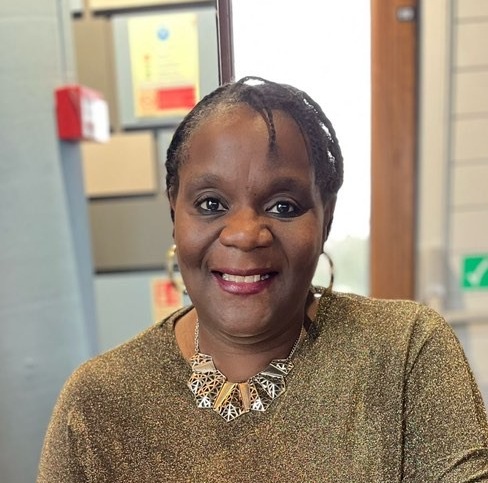
Sophia Jones has worked as a Communications professional for over 30 years for some of the leading international humanitarian charities including Christian Aid, World Vision and the International Rescue Committee where she led Communications in east Africa for six years. On her return to the UK she led Communications at Mothers' Union and was then Director of Communications at the Diocese of Southwark. She is currently Interim Director of Communications Engagement and Fundraising at the Anglican Mission agency USPG (United Society Partners in the Gospel). Sophia is also a student on the Church of England's Elizabeth Pathway.