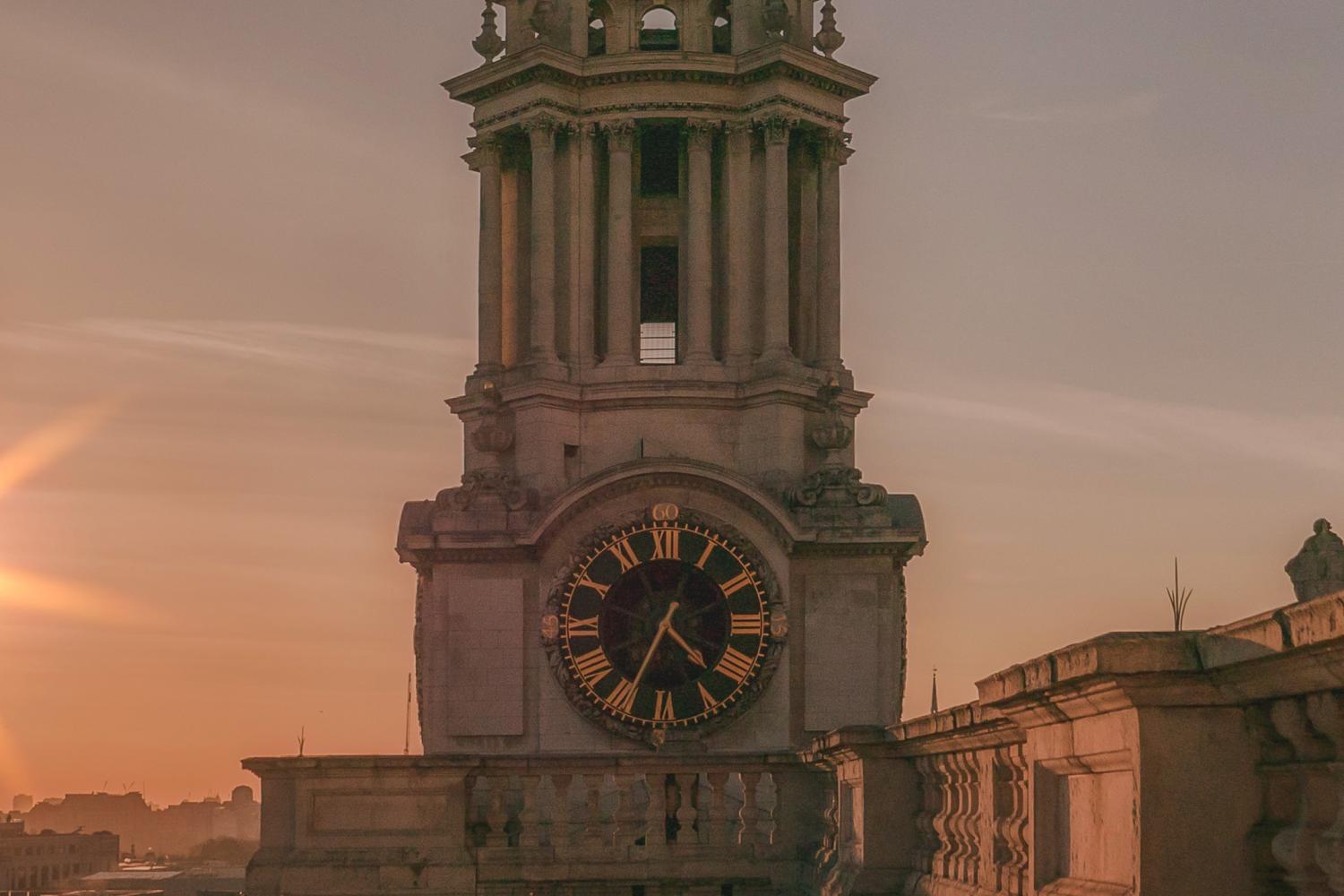
Keeping time: Three centuries of clocks
As British Summer Time draws to an close, join us to explores the fascinating history and evolution of our iconic Cathedral clocks. From the first clock installed in 1707 to the present day, discover how these remarkable mechanisms shaped worship, civic life, and London’s relationship with time.
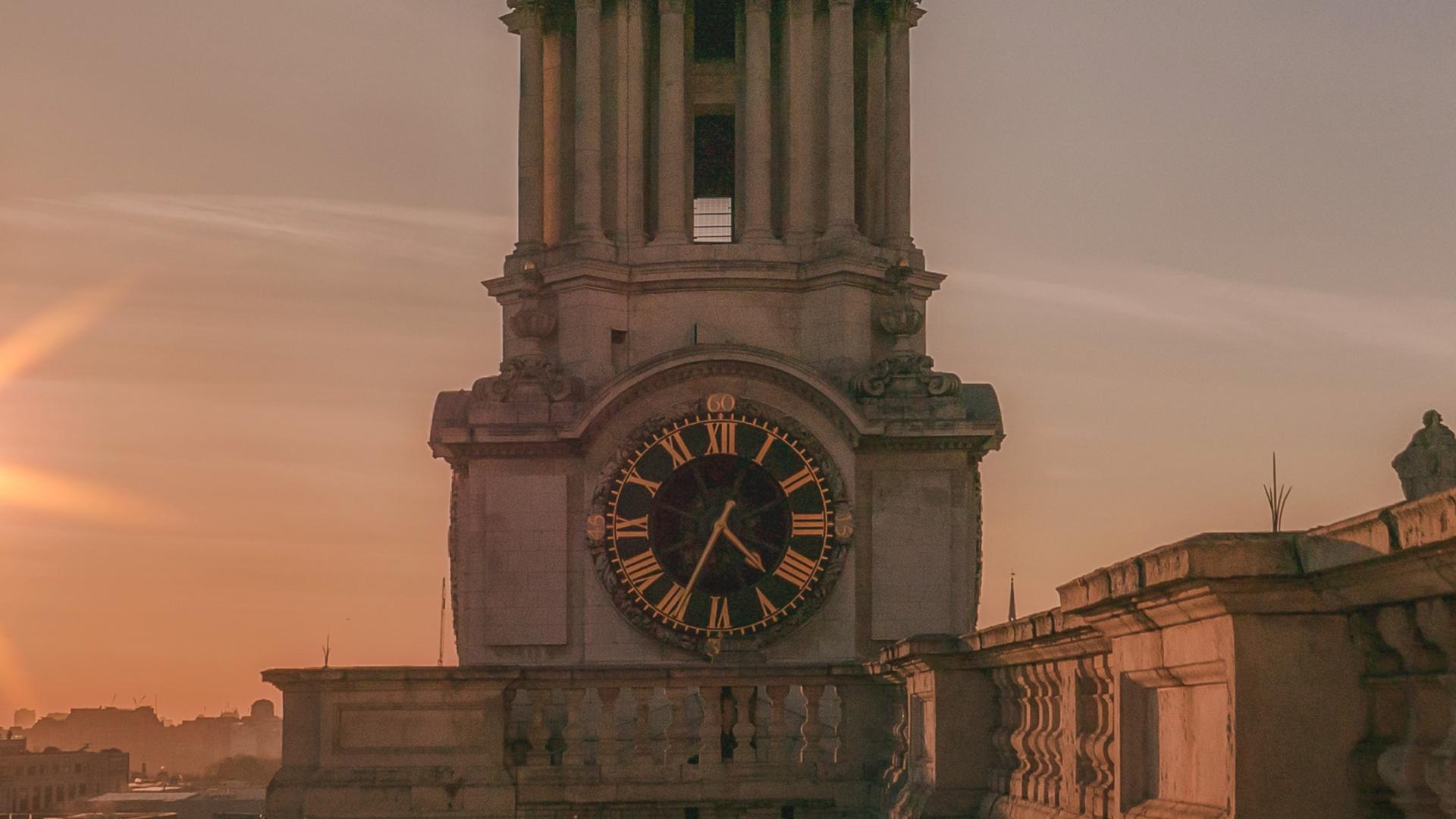
As British Summer Time draws to an close, join us for a deep-dive into the fascinating history and evolution of our iconic Cathedral clocks.
Since the completion of Sir Christopher Wren’s new St Paul’s Cathedral in the early eighteenth century, discover how these remarkable mechanisms shaped worship, civic life, and London’s relationship with time.
The first clock, installed in 1707, was swiftly replaced by a second mechanism that served for 173 years before giving way in 1893 to the present clock – its design unmistakably influenced by the Great Clock at Westminster (popularly known as Big Ben). Across three centuries, our clocks have marked the hours, chimed the quarters, and kept Londoners in step with time itself.
Drawing on archival research and conservation experience, this talk brings to life the engineering, artistry, and cultural importance behind more than 300 years of timekeeping.
About the speakers:
Dr James Nye is a British historian and horologist, well known for his leading role in the study and preservation of timekeeping history. He is also Chairman of the Antiquarian Horological Society, a Past Master of the Clockmakers’ Company, and a Fellow of the Society of Antiquaries of London.
Keith Scobie-Youngs is a leading British horologist and conservation specialist. He is co-founder and Director of the Cumbria Clock Company, which has restored and maintains some of the UK’s most celebrated public clocks, including Big Ben. Keith is also a Past Master of the Clockmakers’ Company.
More events on our collections and archive