News and updates
Discover our latest news, including updates from the latest projects, details of special events, services, and more.

This October, St Paul’s Cathedral will once again open its doors for fabric, this time welcoming The Cinematic Orchestra for a very special performance on 29th October 2026.
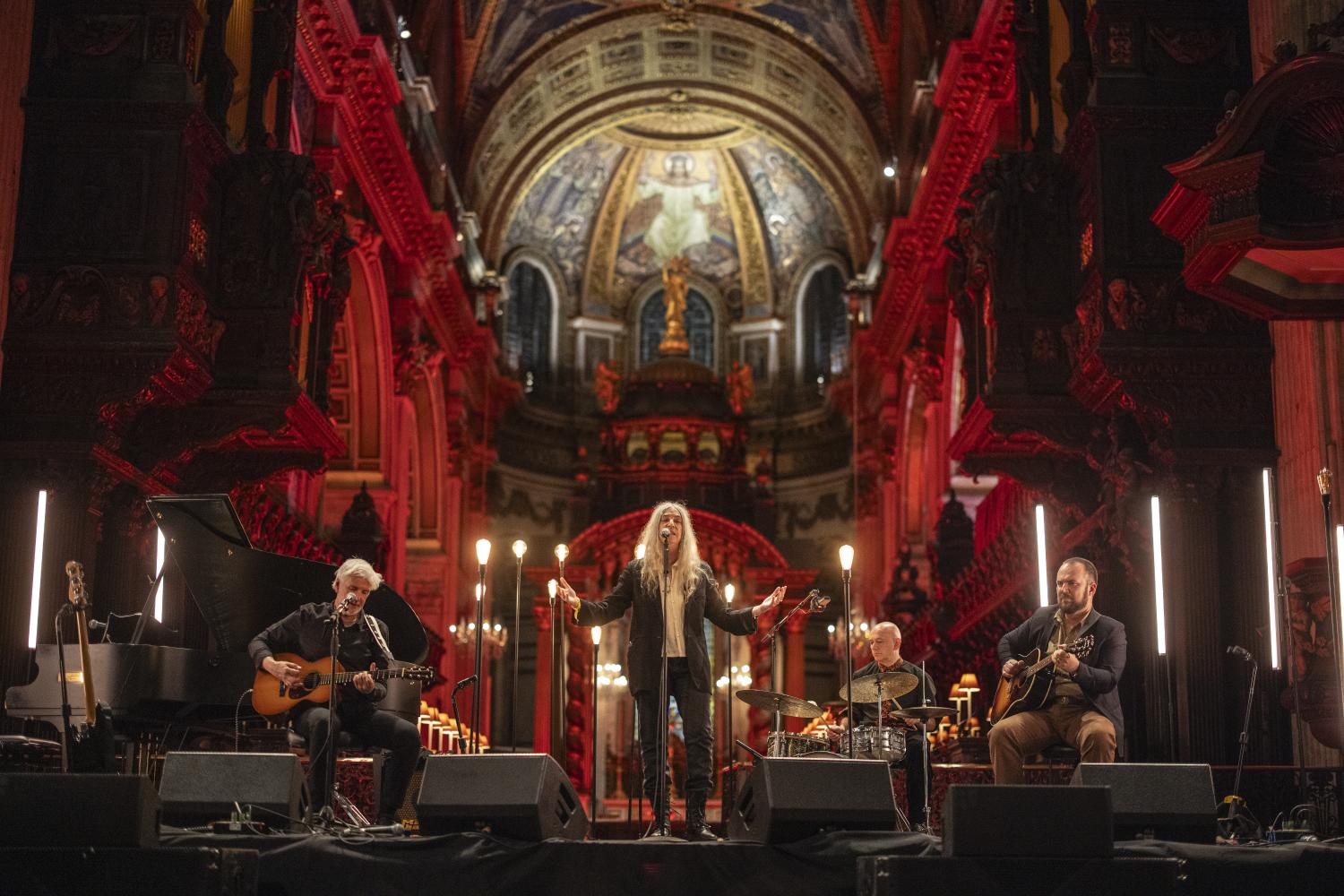
St Paul’s Cathedral and fabric are pleased to announce a new four-year partnership which will see fabric become St Paul’s exclusive partner for contemporary music events from 2026 through to 2030.
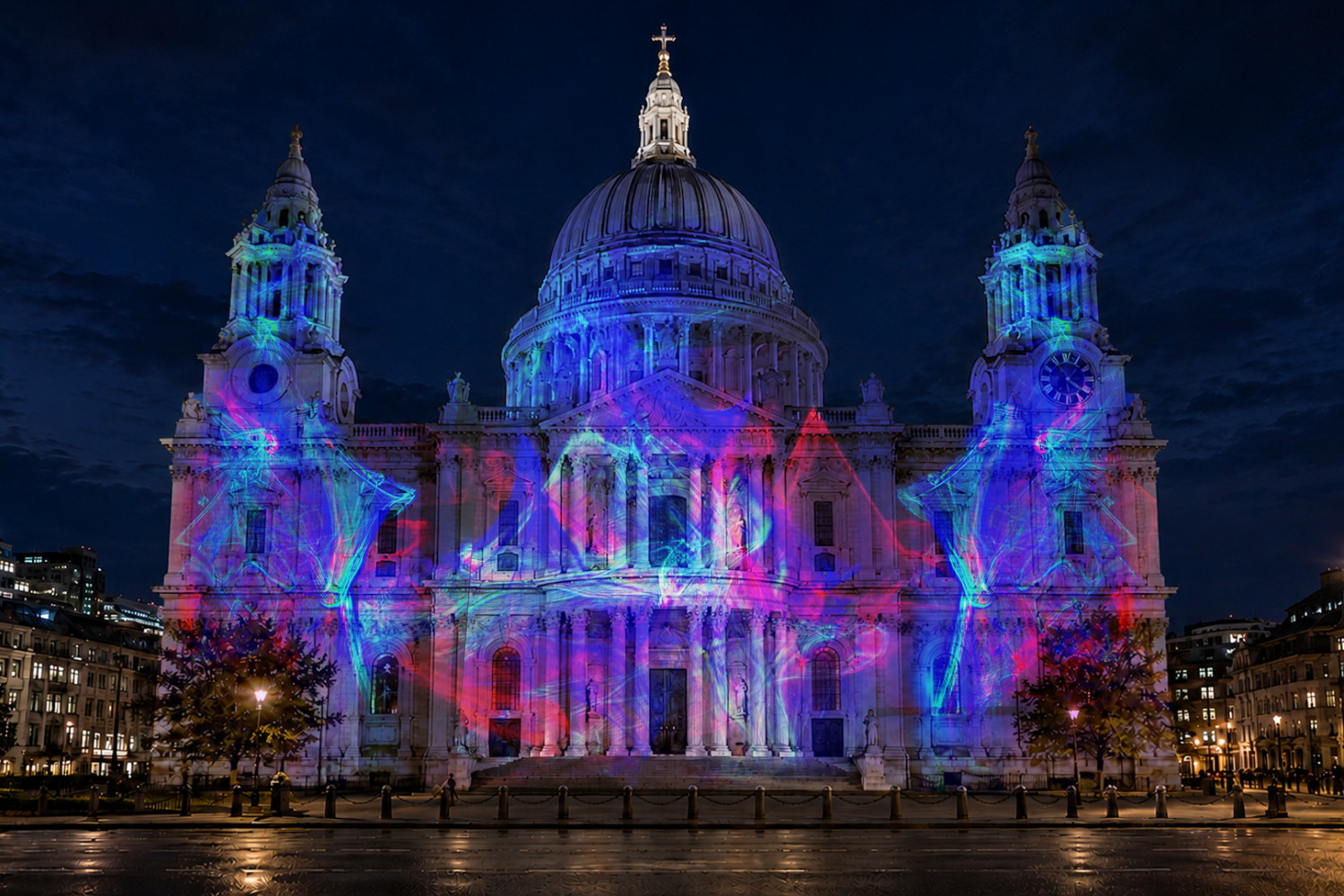
London Design Festival will return to St Paul's this September as we host two artworks by Ukrainian artist Mykola Kabluka, a lighting designer, contemporary artist, and creative director and founder of Expolight, Ukraine’s leading lighting design and media art studio.
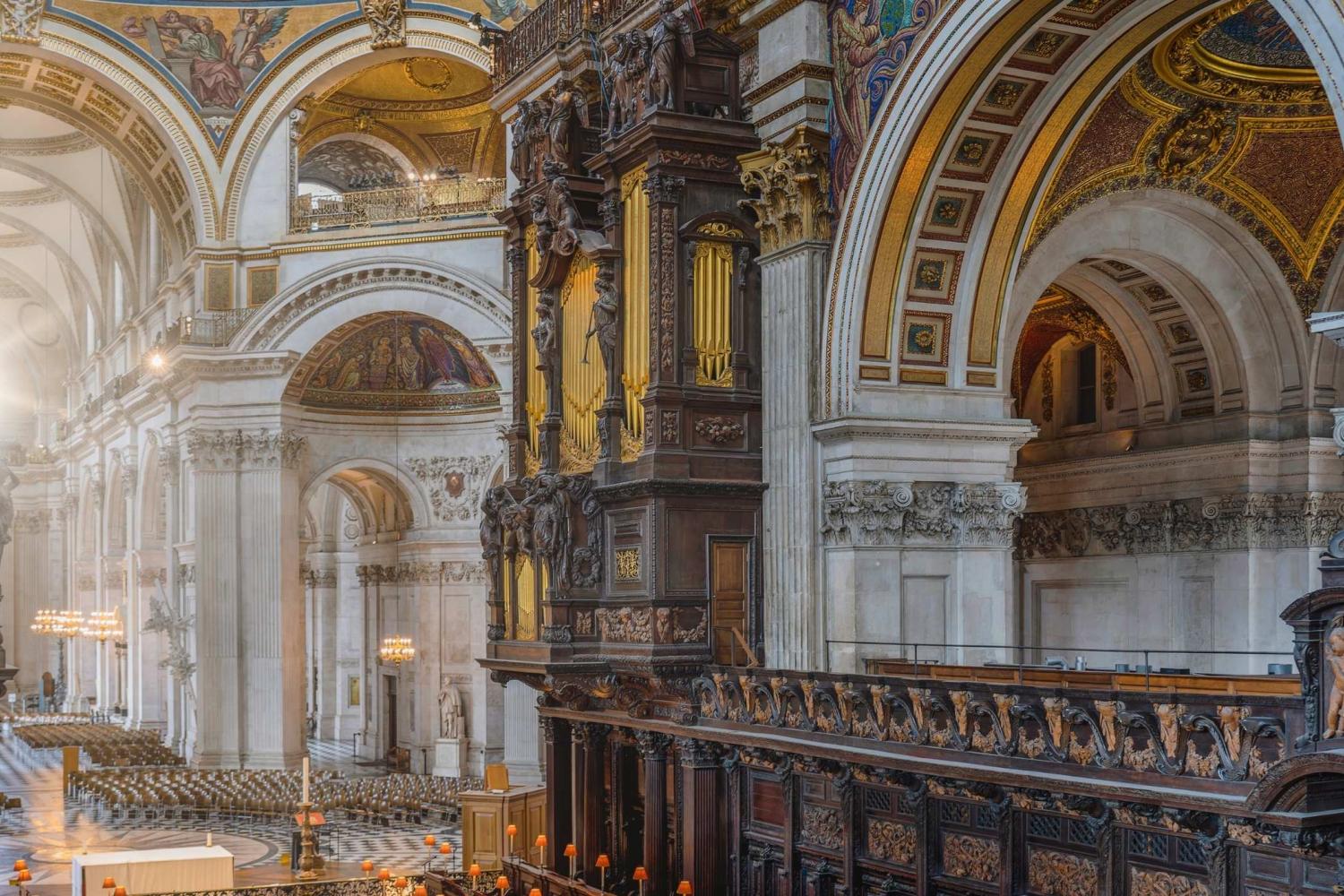
This year marks 40 years since the death of one of the most beloved composers of the French Organ Tradition, Maurice Durufle. To mark the anniversary, our incredible team of musicians will be performing all of his organ works, as well as some other instrumental and vocal pieces, in a short series of free concerts and services this autumn.
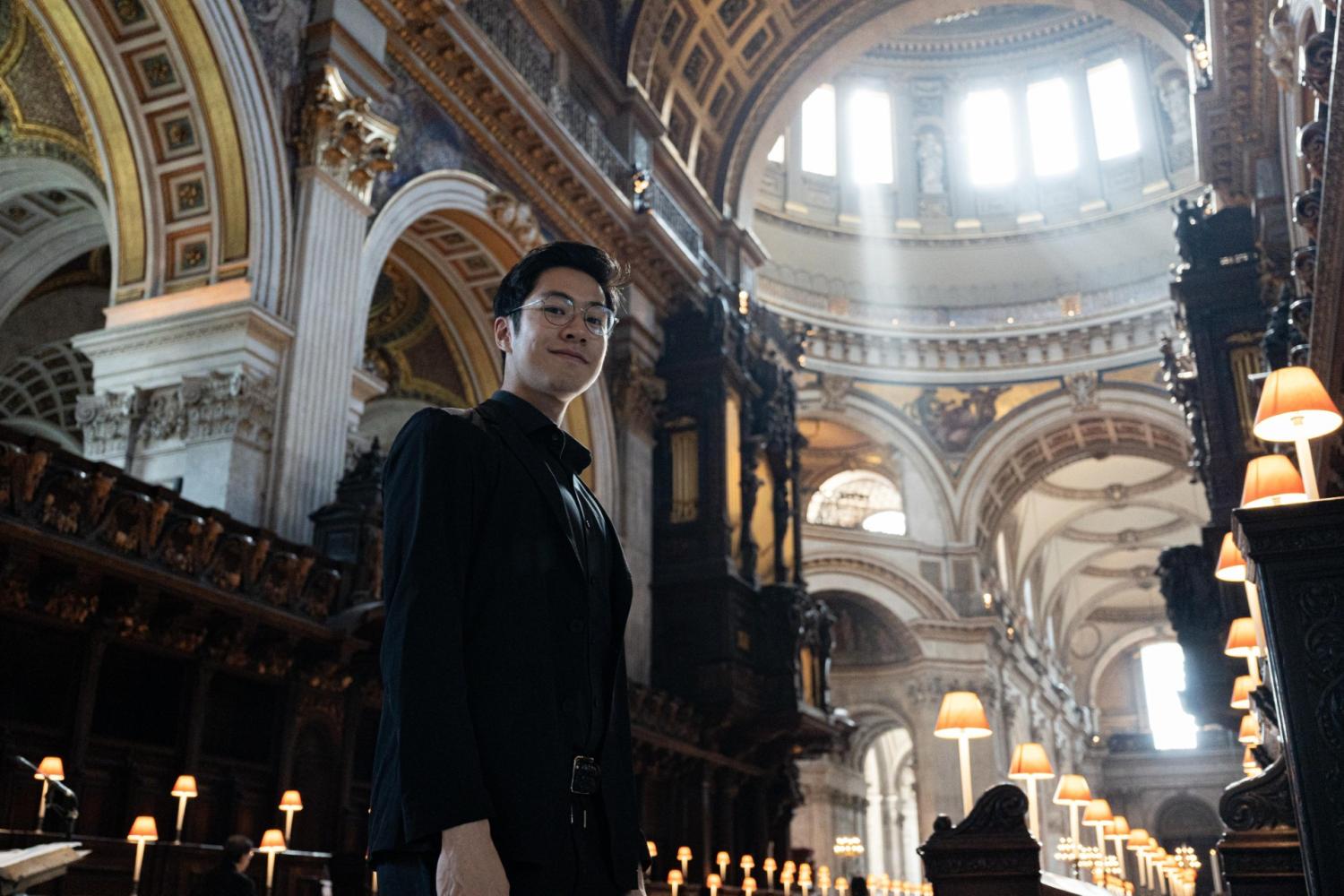
We’re excited to announce Jeremy Ng as our new Organ Scholar for 2026/27.
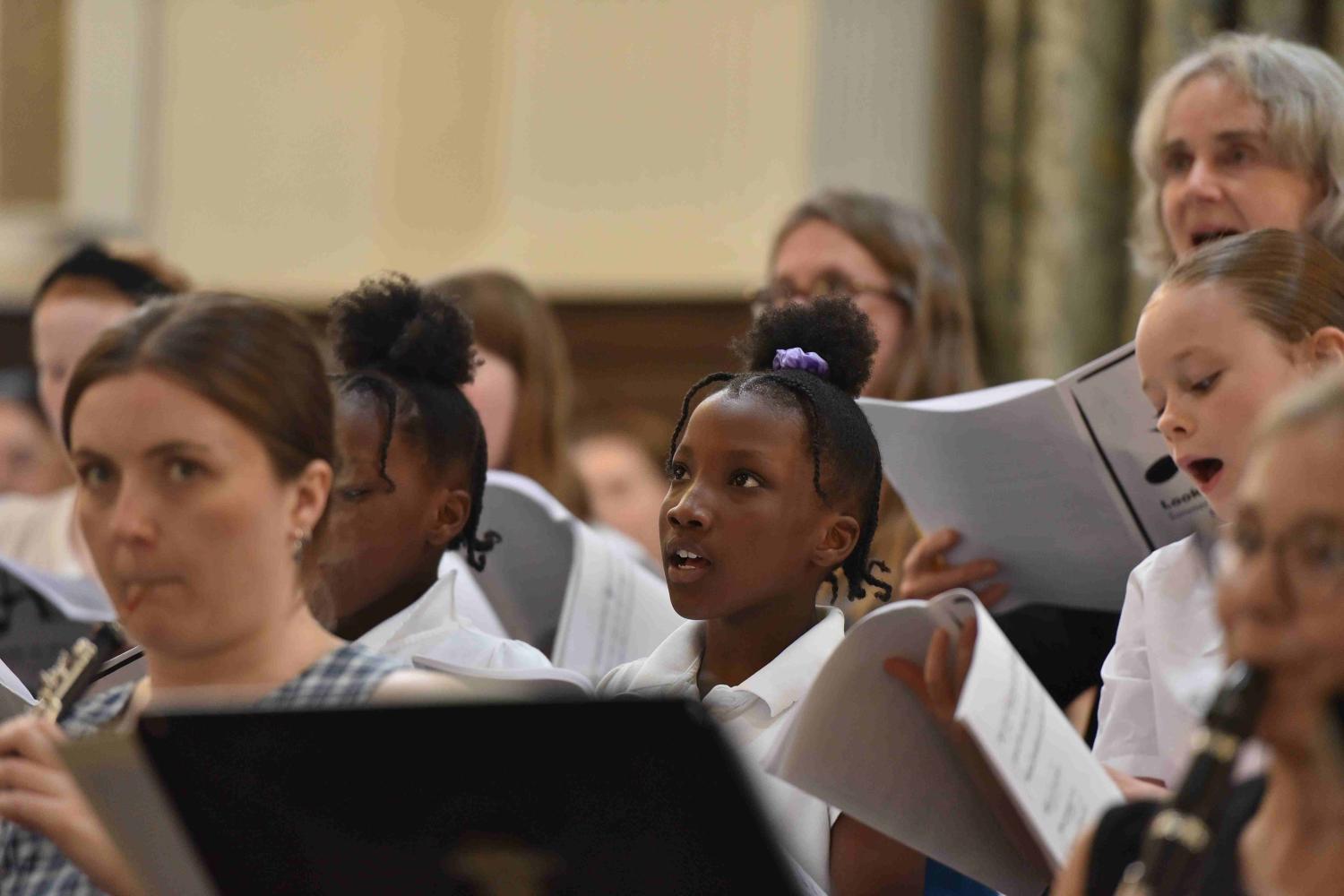
Young singers from Hackney Choral took to the stage on Saturday 20th June for a joyful performance as part of the Summer Music in City Churches festival.
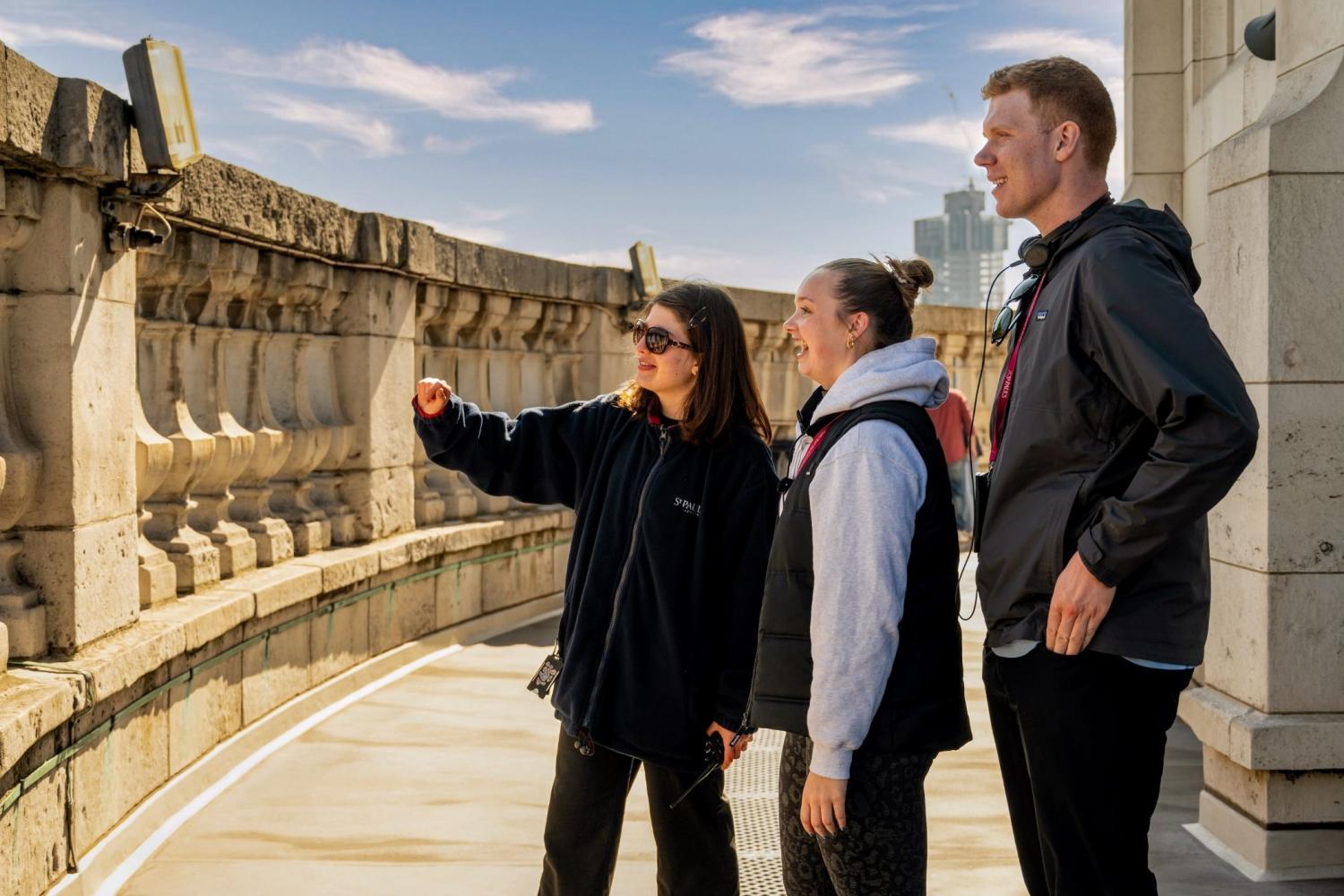
Visitors can enjoy reduced-price admission to St Paul's Cathedral this summer as part of the UK Government's Great British Summer Savings scheme.
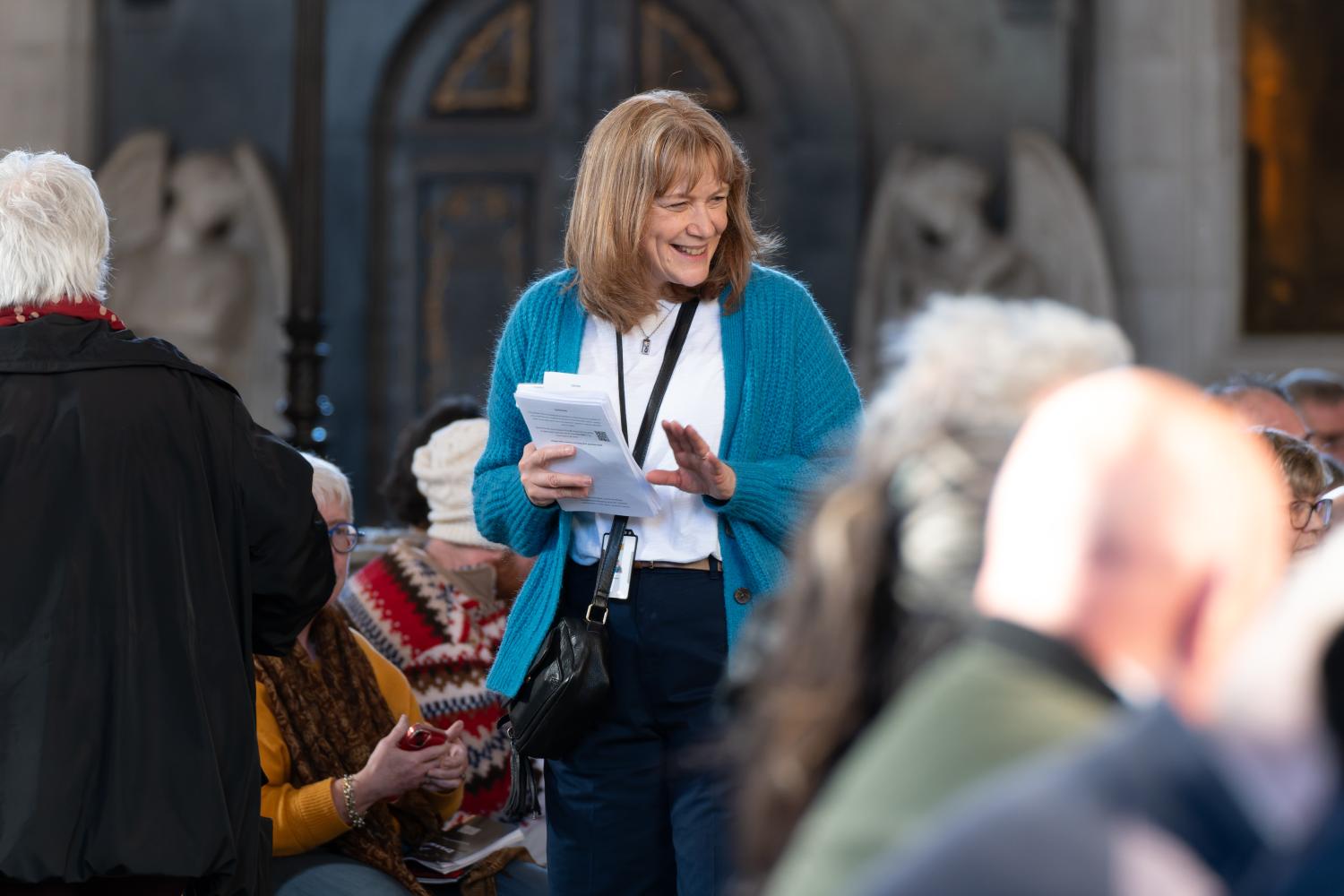
Behind every welcome at St Paul's, there are 370 volunteers making it happen. Last year, they gave 41,000 hours between them. It's no exaggeration to say we couldn't do what we do without them.
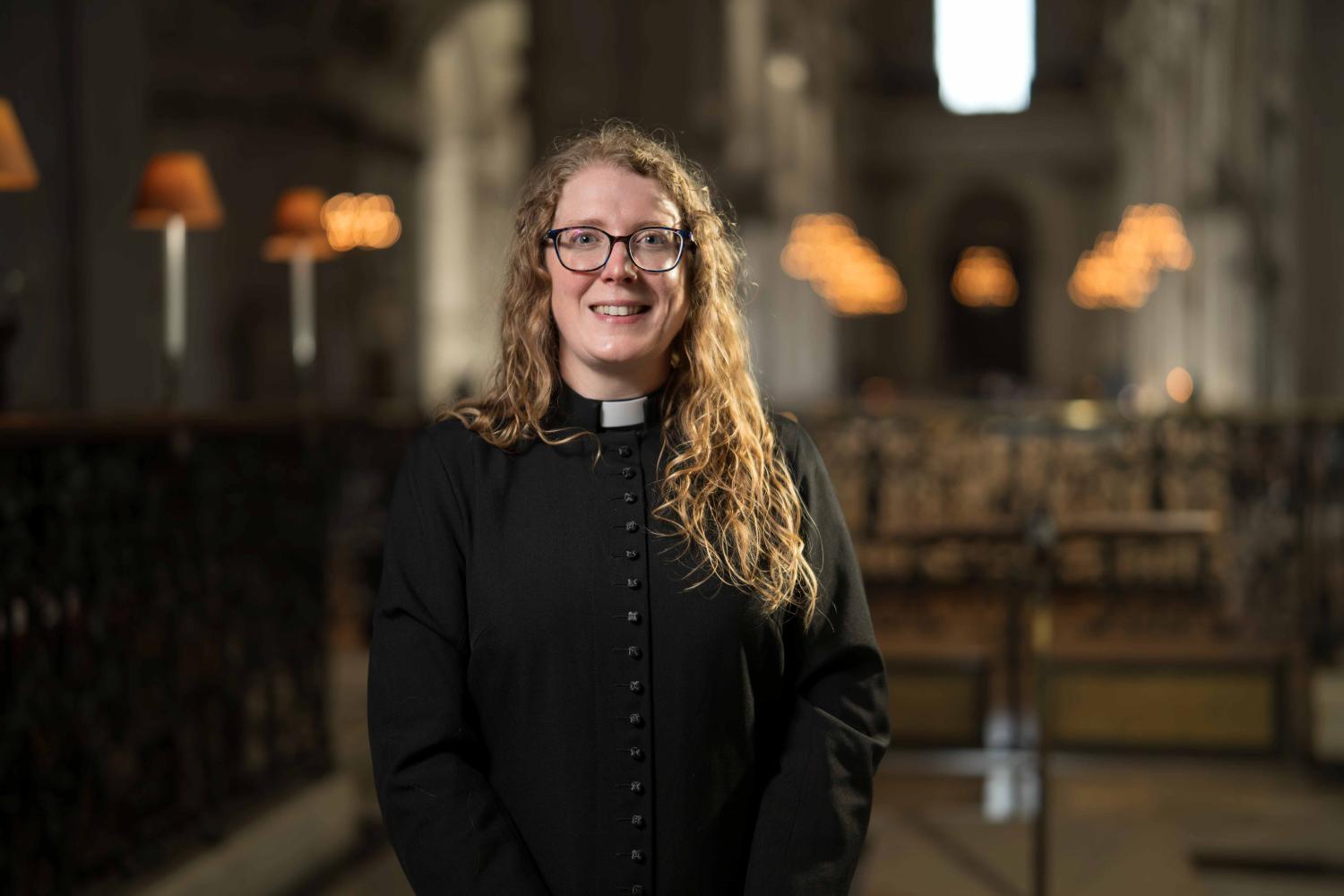
We're excited to announce that The Reverend Emma Walden has been appointed as our new Succentor. Emma takes on the role from The Reverend Timothy Miller, who moves into the role of our Sacrist.
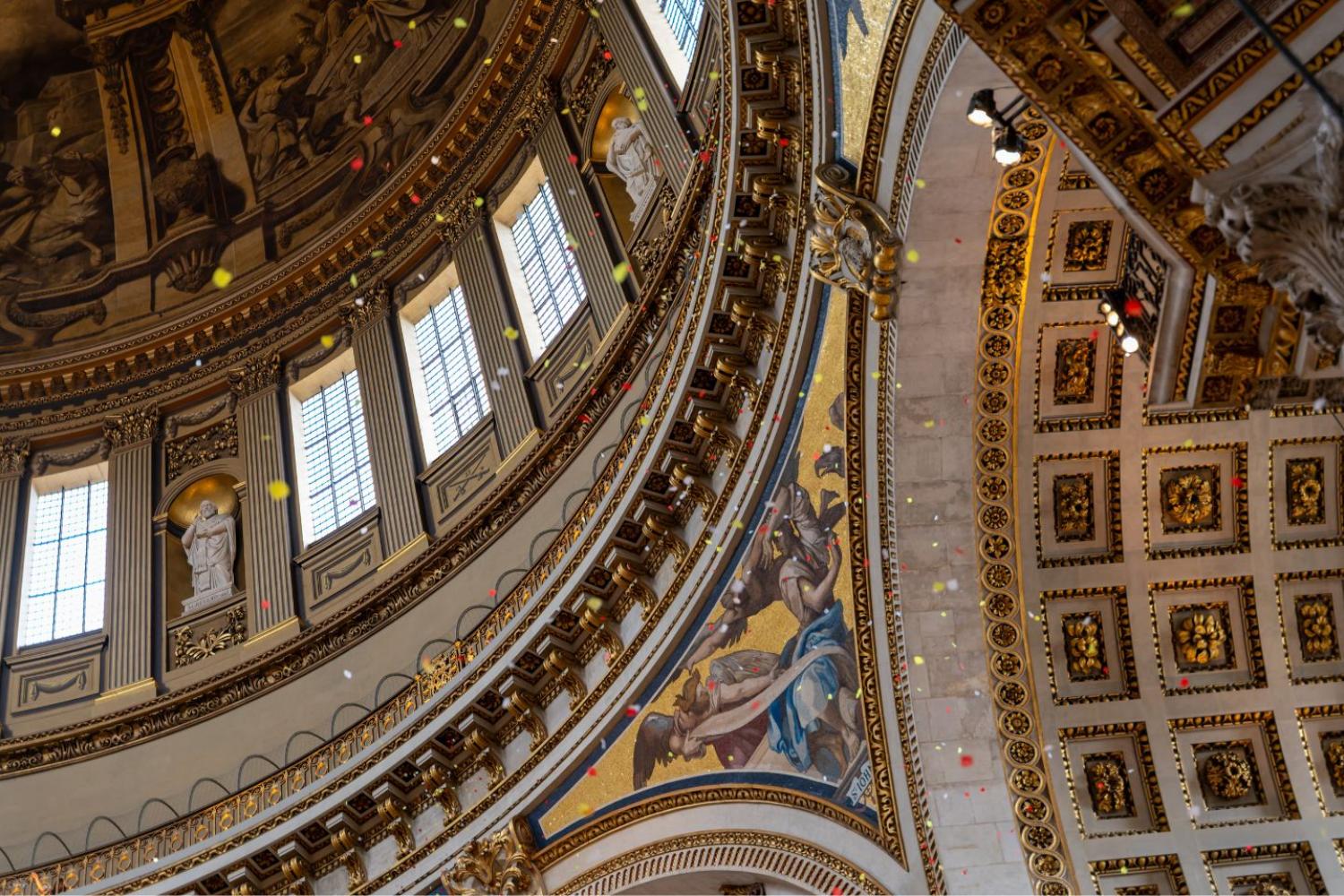
On Tuesday 19th May, we held a national service of recognition, remembrance and reflection for the Infected Blood Community - paying tribute to all those infected and affected.
We’re delighted to share that we’ve received an Eco Church Silver award – a meaningful milestone in our ongoing commitment to sustainability.
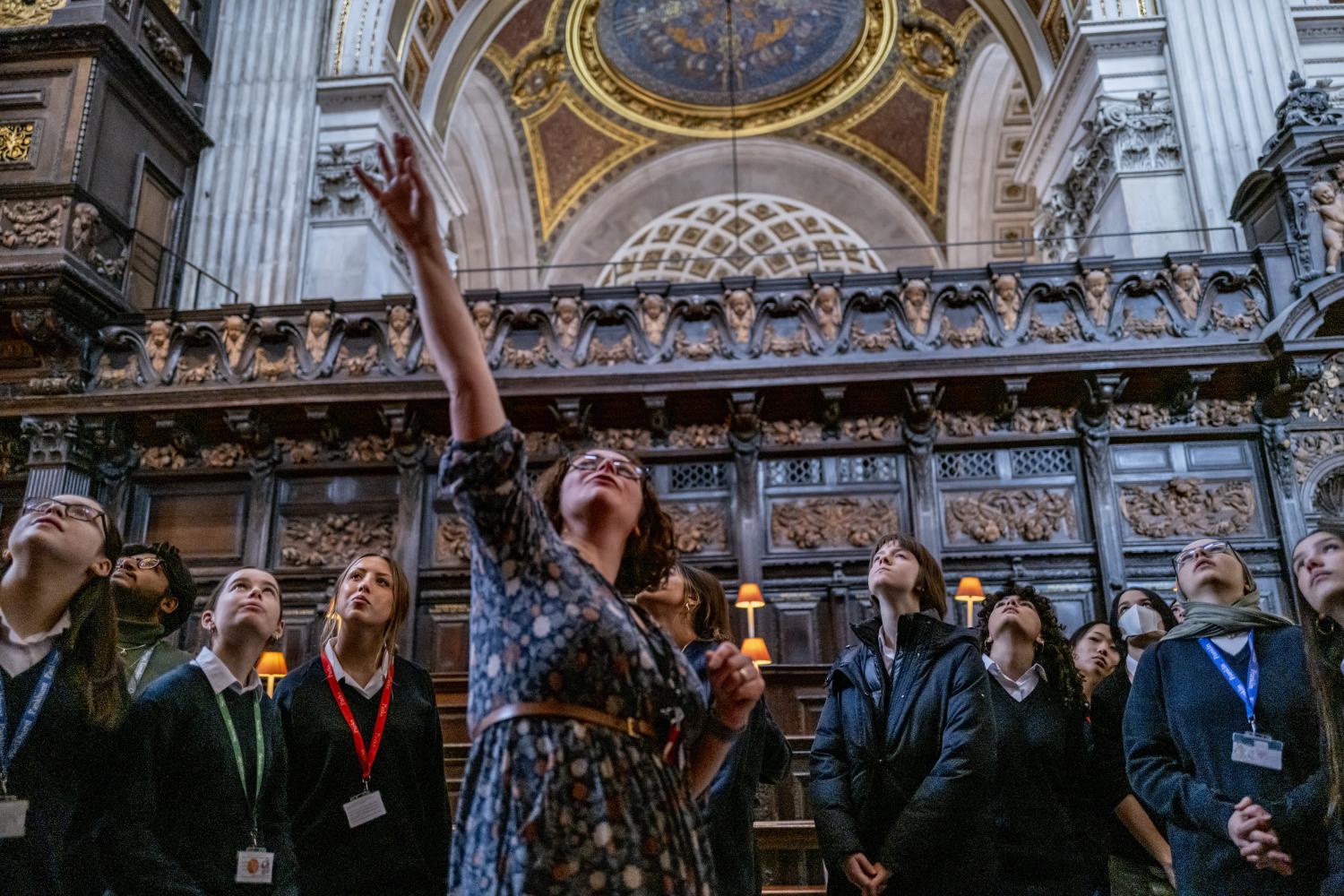
We welcome the publication of an independent safeguarding audit by the INEQE Safeguarding Group, which recognises a strong and growing safeguarding culture across the Cathedral, while also identifying clear areas for continued development.
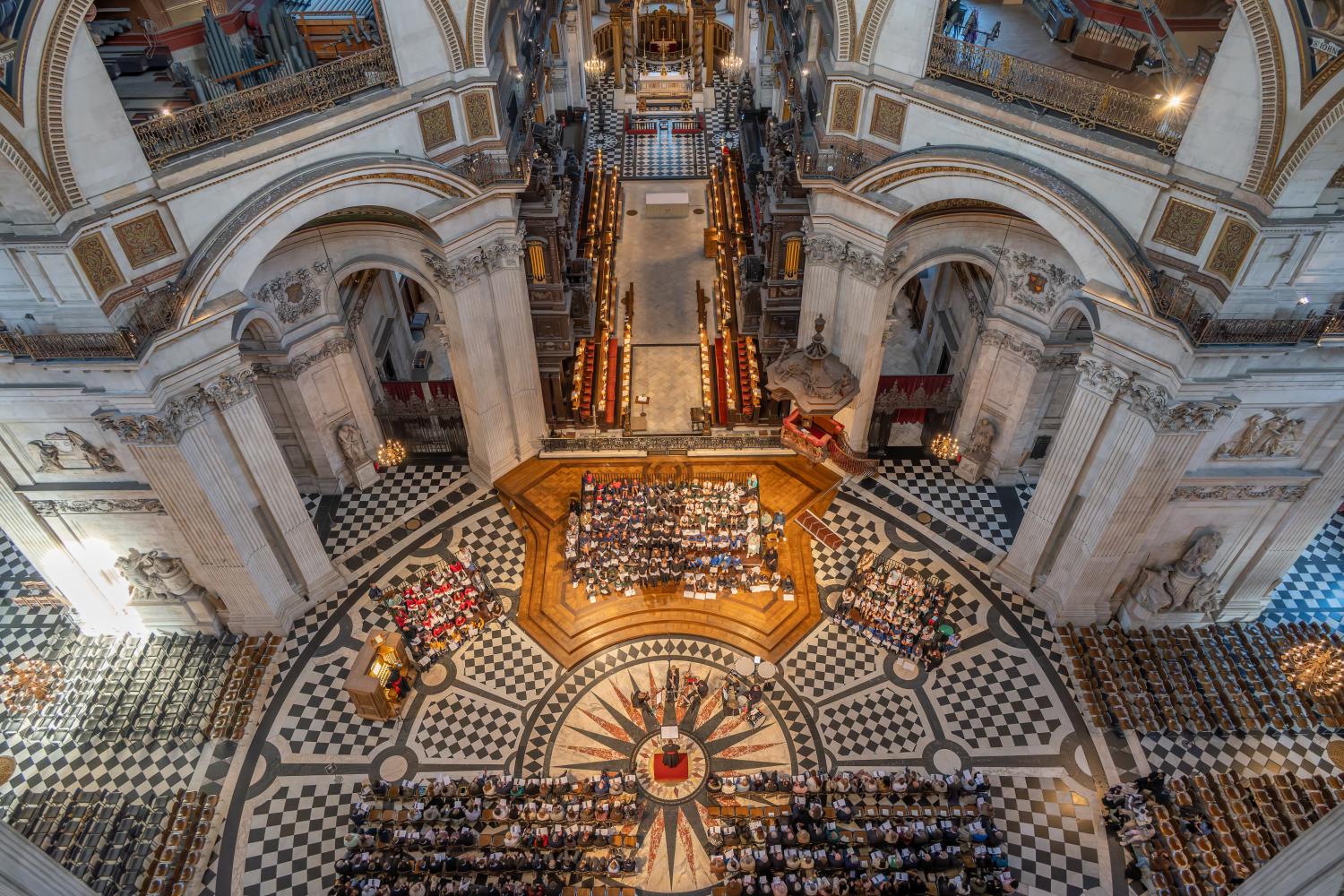
Last month, more than 200 children from across London filled our Cathedral with music to perform ‘Raising the Roof’, a large-scale choral work by composer Richard Quesnel, which premiered in 2023 to commemorate the 300th anniversary of Sir Christopher Wren’s death.
For more information
If you would like more information on any of the news stories listed on this page, please visit our Press and Media page for the contact details of our press office.