Home
Welcome to SM4!
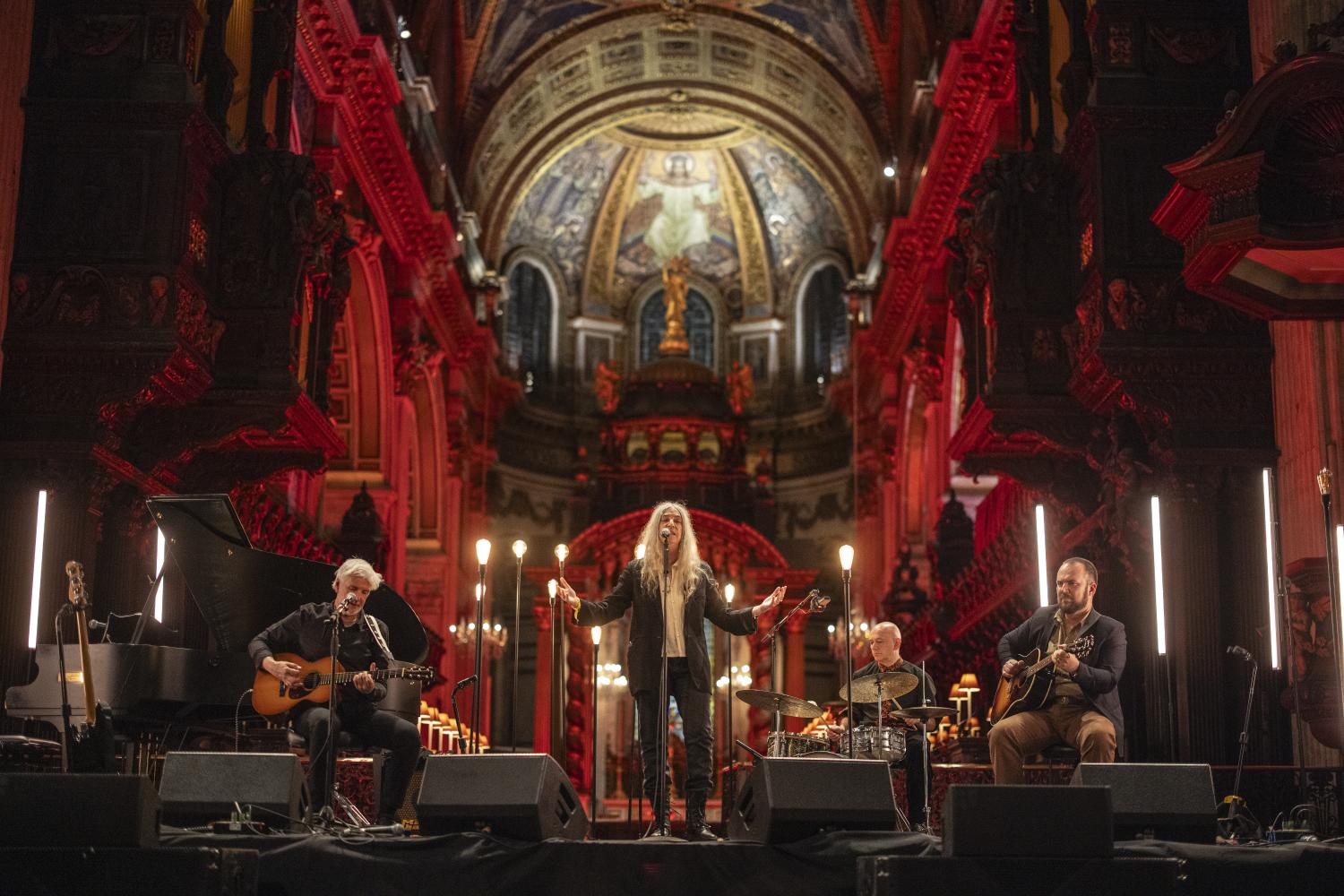
Worship & Music
St Paul’s Cathedral has been here for over 1,400 years. It has been built and rebuilt five times, and always its main purpose has been as a place of worship and prayer.
Visit Us
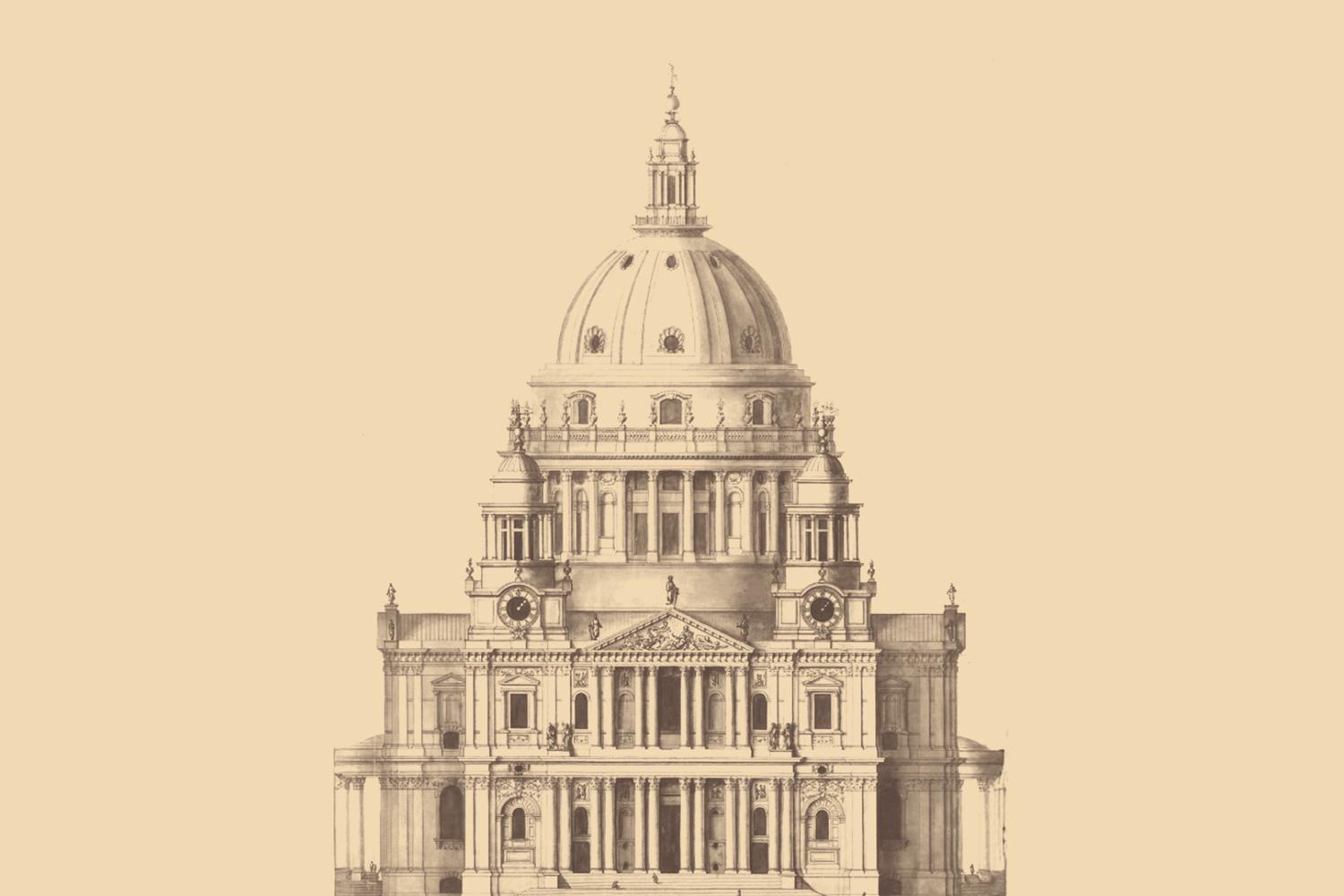
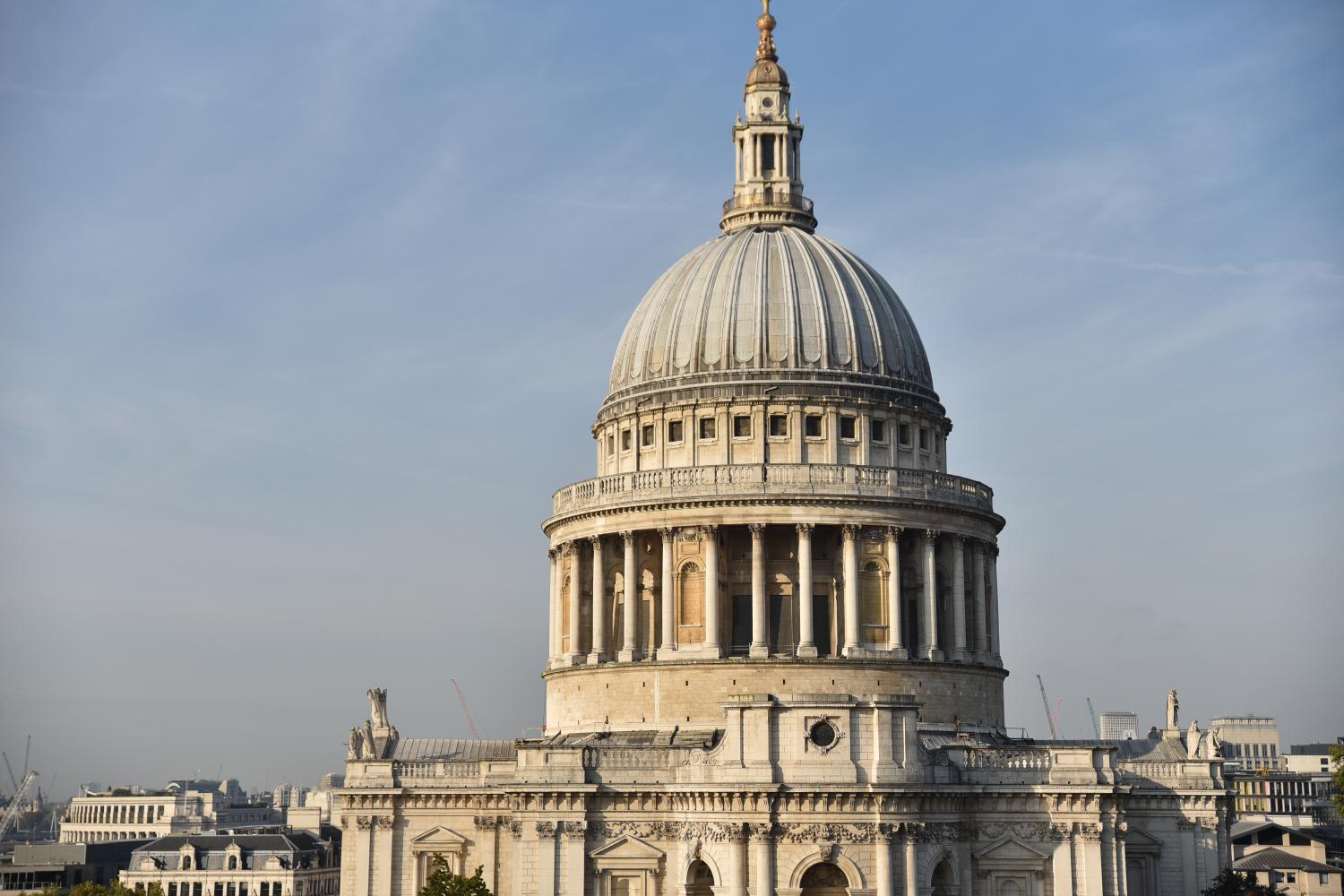
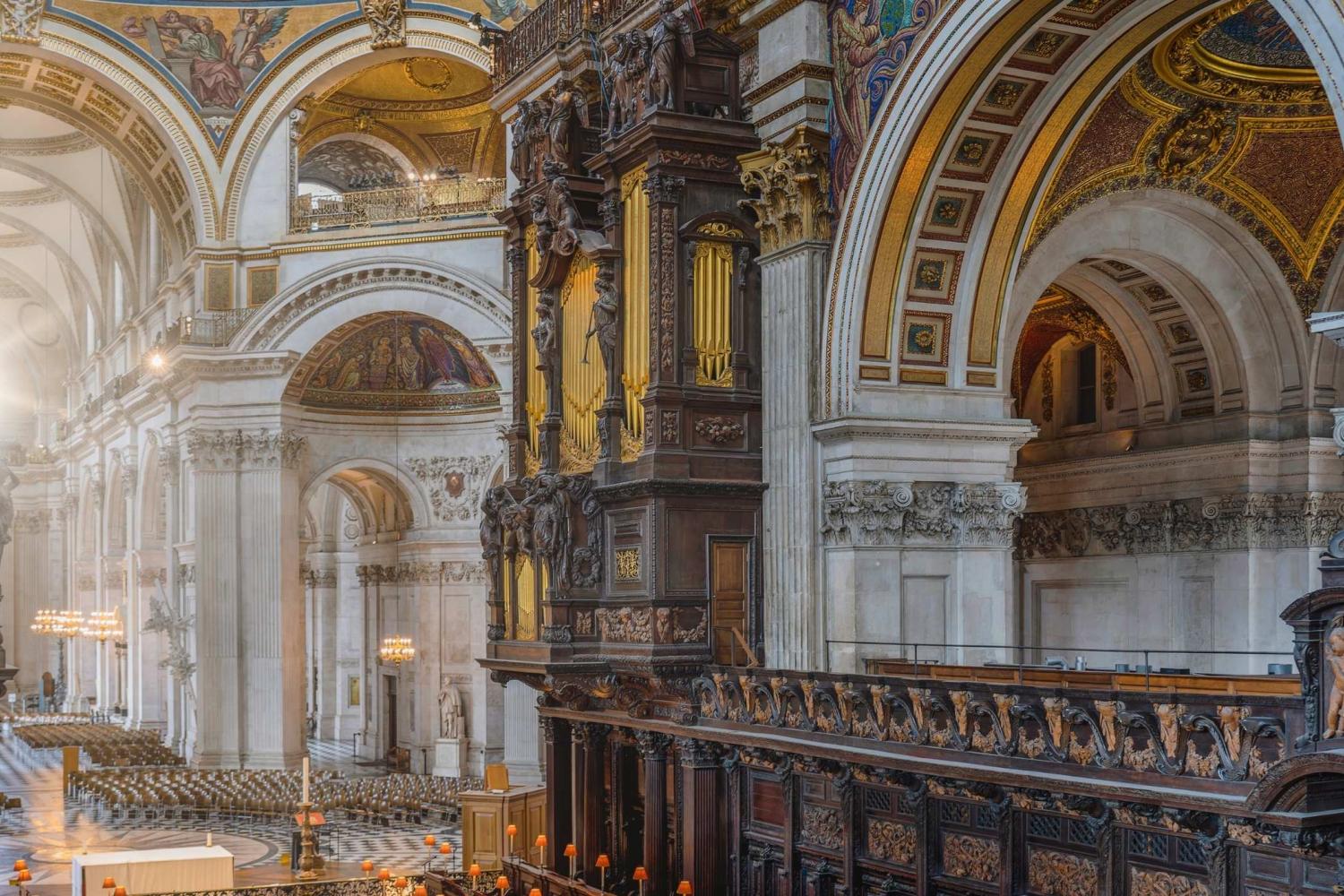
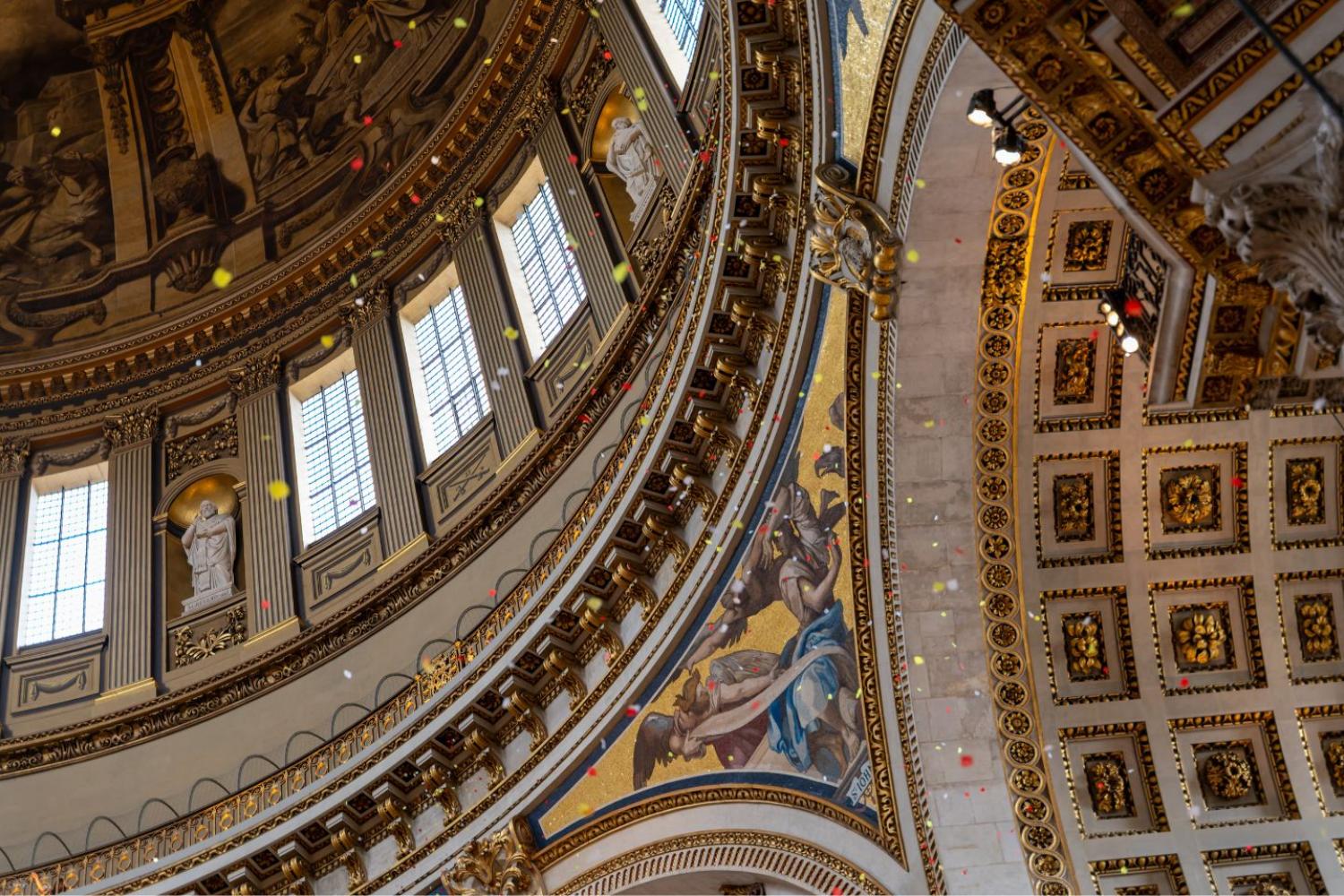
St Paul's, with its world-famous dome, is an iconic feature of the London skyline. Step inside and you can enjoy the Cathedral's awe-inspiring interior, and uncover fascinating stories about its history.
Learning & Faith
Lifelong learning is a core part of the our work, delivered through a variety of events by St Paul's Institute, and the Cathedral's Adult Learning and Schools & Family Learning departments.
History & Collections
For more than 1,400 years, a Cathedral dedicated to St Paul has stood at the highest point in the City. The present Cathedral is the masterpiece of Britain's most famous architect Sir Christopher Wren.
Support Us
Behind the scenes, the cost of caring for St Paul's and continuing to deliver our central ministry and work is enormous and the generosity of our supporters is critical.
Venue Bookings
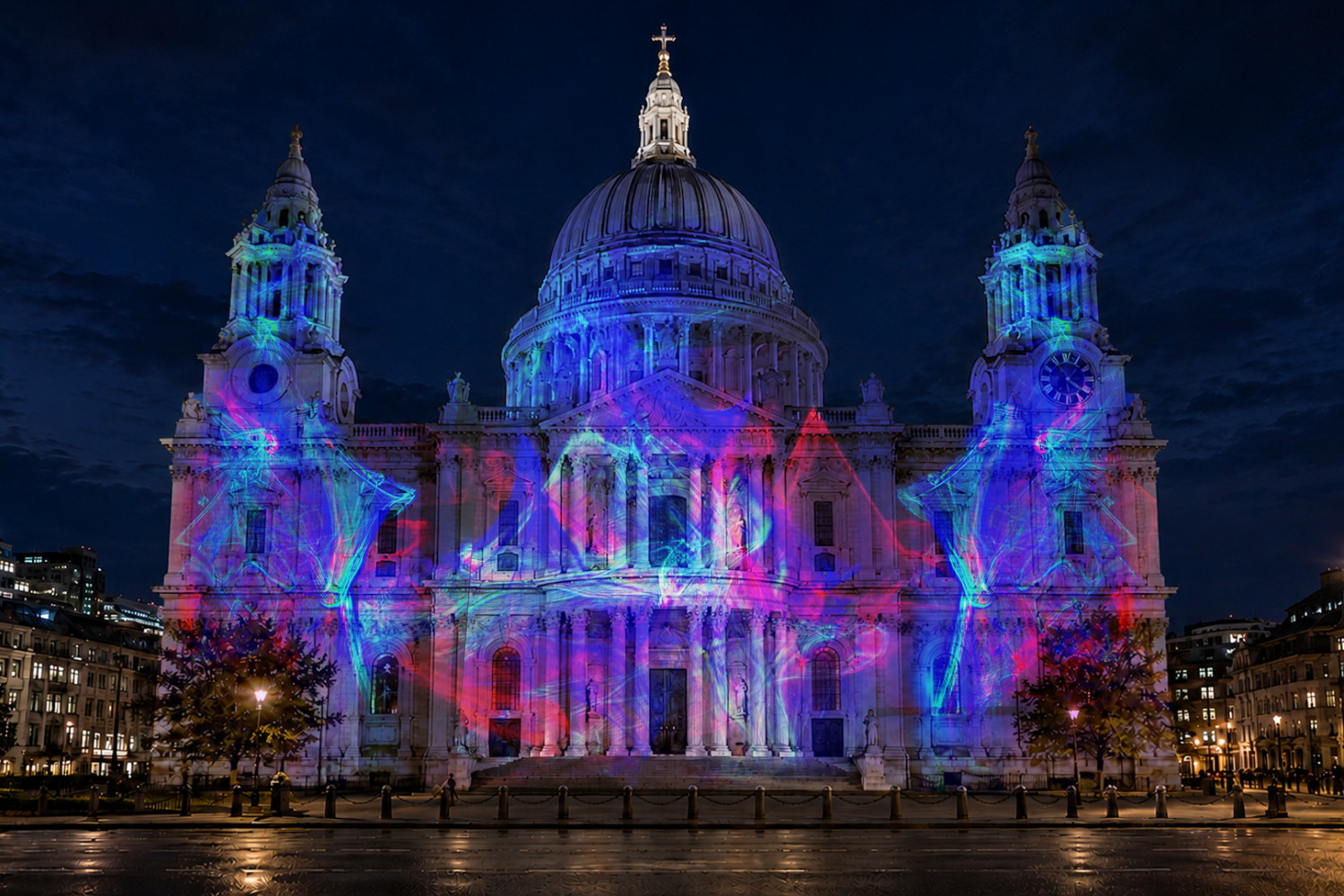
Widely considered to be one of the world’s most beautiful buildings and a powerful symbol of the splendour of London, St Paul’s Cathedral is a breathtaking events venue.Latest News
| ASCENSION DAY | |
| 12:00pm | Open for private prayer |
| 12:30pm | Eucharist |
| 5:00pm | Sung Eucharist |
| 6:00pm | Private prayer ends and Cathedral closes |
Relationships forged on human dignity the key to our common good - St Paul’s election debate told
30 April 2015
With the General Election just a week away, a St Paul's audience has been told that shared responsibility based on dignity, overcoming inequality and bringing us together in a common life are the keys to moving forward beyond election day.
Speaking at Beyond Election Day: Power, Money, Government and Responsibility, organised by St Paul’s Institute and supported by the Theos think tank and Together for the Common Good on Wednesday 29 April, four key non-political names came together to discuss the major issues facing us beyond May 7.
|
Professor Craig Calhoun - Director, London School of Economics
Shami Chakrabarti CBE - Director, Liberty
Conor Kehoe - Director, McKinsey & Company
Loretta Minghella OBE - Chief Executive, Christian Aid
|
Loretta Minghella OBE, Chief Executive of Christian Aid, warned that only by bringing
the main players together we can build the just society we crave.
She said: "Any consensus about how we best approach the common good must be up to addressing the biggest enemies to that common good" namely: climate change, tax dodging and gender inequality. She continued that only by bringing corporations, government and civil society together and looking towards the common good can we hope to tackle these challenges and "begin to build something worthy of calling the common good" because "to promote the common good we must dismantle the environment [of power] where poverty can exist."
VIEW ALL PICTURES FROM THE DEBATE
Shami Chakrabarti CBE, Director of Liberty, spoke about the framework of human rights. Human rights, she said, can be summed up with three words: "dignity, equality and fairness." She added that a problem is many find it hard to believe in the human rights of others: "in truth everybody loves human rights…their own…it’s other people’s rights and freedoms that are the problem."
She implored us to recognise that "democracy continues in between elections” and we need to uphold a clear sense of our responsibility to one another and that “a bill of rights is by reciprocity a bill of responsibilities too."
Conor Kehoe, Director at international consultancy firm McKinsey & Company, stated that corporations are truly a wonderful invention capable of enriching society, but warned that "unlike real people, companies can't really be held responsible."
However, he added that each corporation has a director behind it that shareholders help to appoint, and these people must run their corporations as society would wish and seek to aid society in the long term, instead of merely seeking short-term profit.
The concept of maximising shareholder value, he argued, still has legs, but that we have linked value to stock price which leads us astray because "the market isn’t so good at looking to advantages far into the future - it’s short-termist."
Professor Craig Calhoun, Director of the London School of Economics and Political Science, reminded us that "we tend to lose sight of the possibility that our lives together…[are] constituted by having and sharing higher purposes."
He noted that politics should be about education as well as decision - something our current campaigns do not include, and that "politics can be about forging the polity...whether the UK will remain united or will be pulled apart."
He spoke of how it is impossible to really separate the market, government and civil society as the common good joins us all in a common life and is not just about a redistribution of private goods. He concluded with the thought that "love cannot be only equality - love is connection - love is our ability to connect to other people."
A brief discussion led to the conclusion that all four speakers agree business must serve the common good, but that it may not have an inherent motivation to do this voluntarily.
They concurred that government has a role to play in aligning business with a greater sense of civic duty and purpose and that the idea of ‘as long as its legal it must be fine’ should no longer be enough.
Questions from the audience followed, with subjects ranging from the mining of metadata and the effect this has on our human dignity, to how we can stop business taking over politics, including thoughts on the ownership of land and the impact religion can have on the debate.
The evening was drawn to a close with the panellists tasked with answering the question of 'what can one person do?'
All four spoke fervently that we can all make a difference. Loretta Minghella implored the audience to never believe an issue is too big to be influenced.
Shami Chakrabarti stressed that we should all live out our values in solidarity with one another, whilst Conor Kehoe and Craig Calhoun reminded us to get engaged in whatever capacity we hold as large movements can emerge from relatively small actions.
The evening was chaired by the Reverend Canon Angus Ritchie, Director of the Centre for Theology & Community.
-
Share this content
- StumbleUpon
The panel sit under the dome
Enlarge this image
Shami Chakrabarti addresses the debate
Enlarge this image
More than 600 people packed the dome area
Enlarge this image
Audience memners were able to put questions to the panel
Enlarge this
image
The panel talk between themselves
Enlarge this image
Loretta Minghella addresses the audience
Enlarge this image
The audeince filled the area under the dome
Enlarge this image