News and updates
Discover our latest news, including updates from the latest projects, details of special events, services, and more.
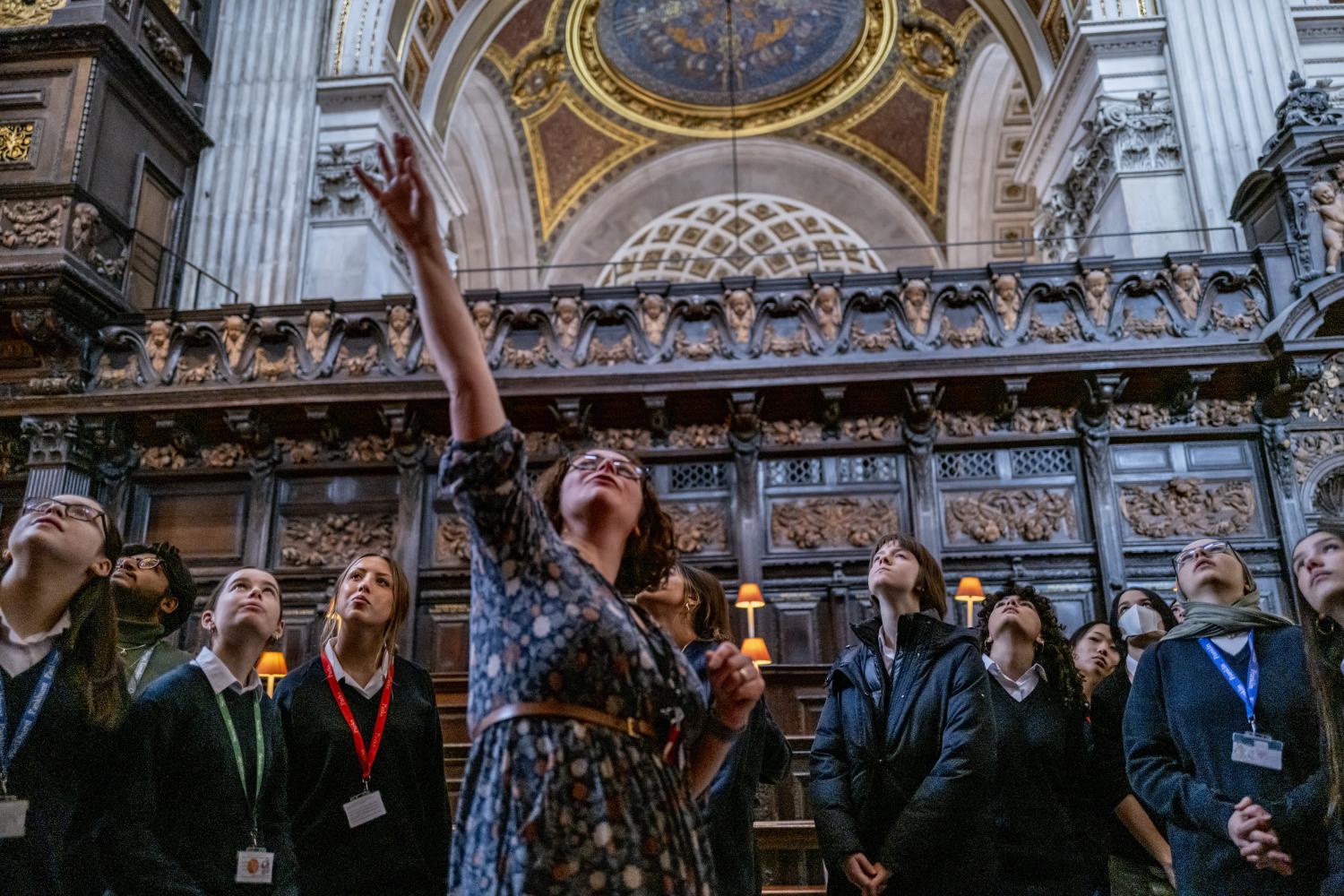
We welcome the publication of an independent safeguarding audit by the INEQE Safeguarding Group, which recognises a strong and growing safeguarding culture across the Cathedral, while also identifying clear areas for continued development.
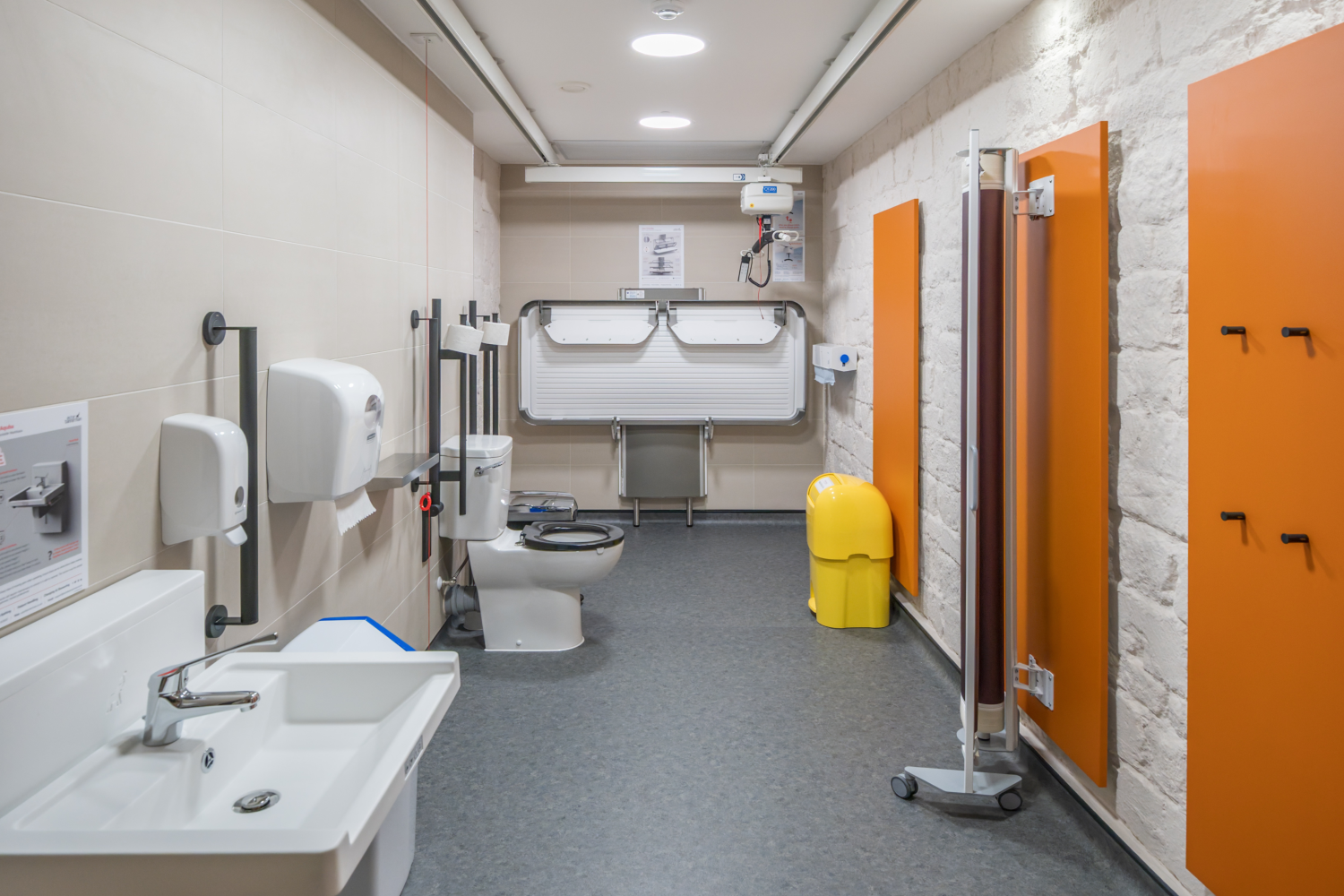
St Paul’s Cathedral has officially opened a new Changing Places toilet, enhancing accessibility for visitors with complex impairments and reaffirming the Cathedral’s commitment to welcoming everyone.
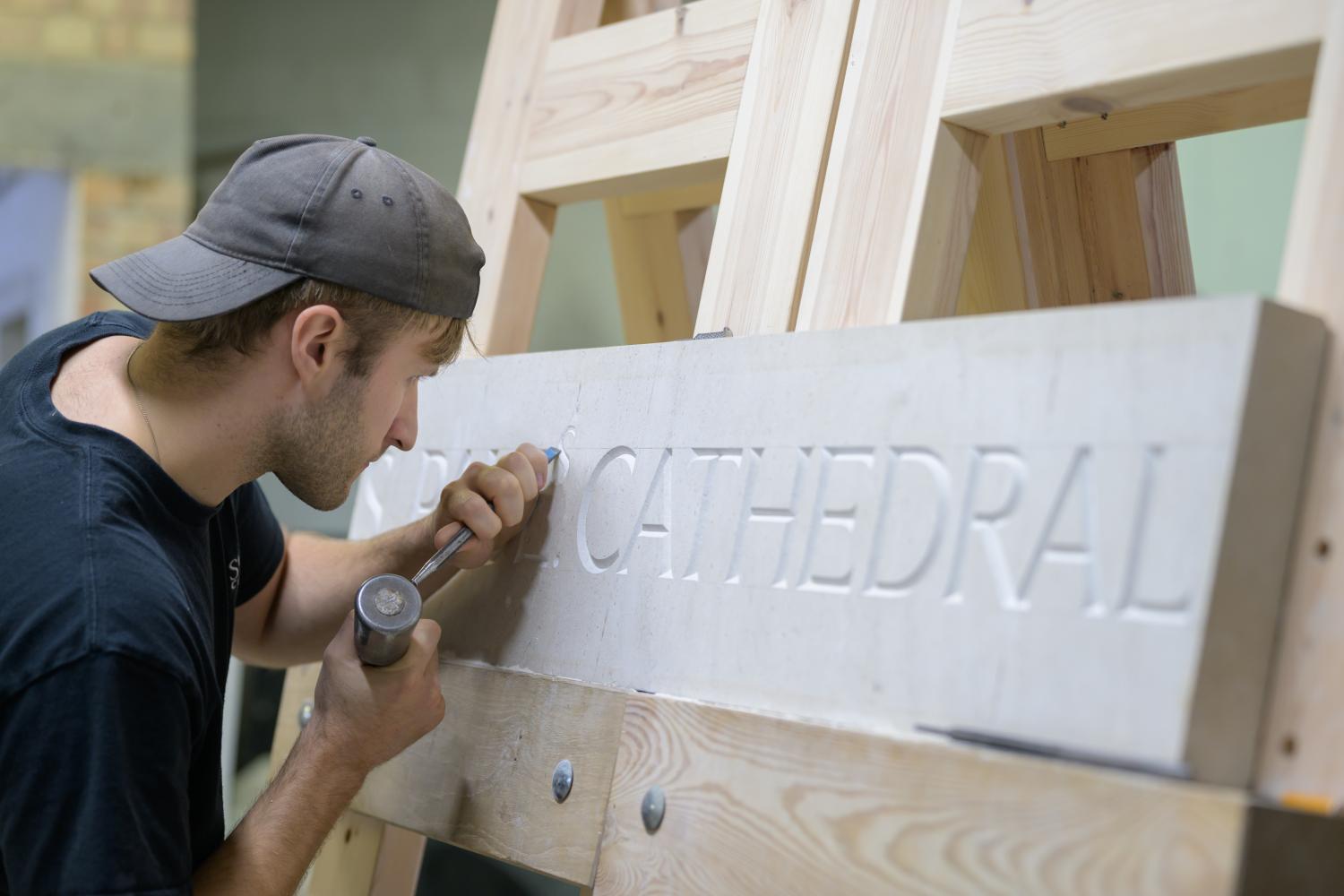
St Paul’s Cathedral stands as one of the most iconic places of worship anywhere in the country. And from today, worshippers and visitors to St Paul’s Cathedral alike will begin to notice some changes to the way the Cathedral presents itself, as it unveils a refreshed brand, mission and vision designed to support its present-day ministry.
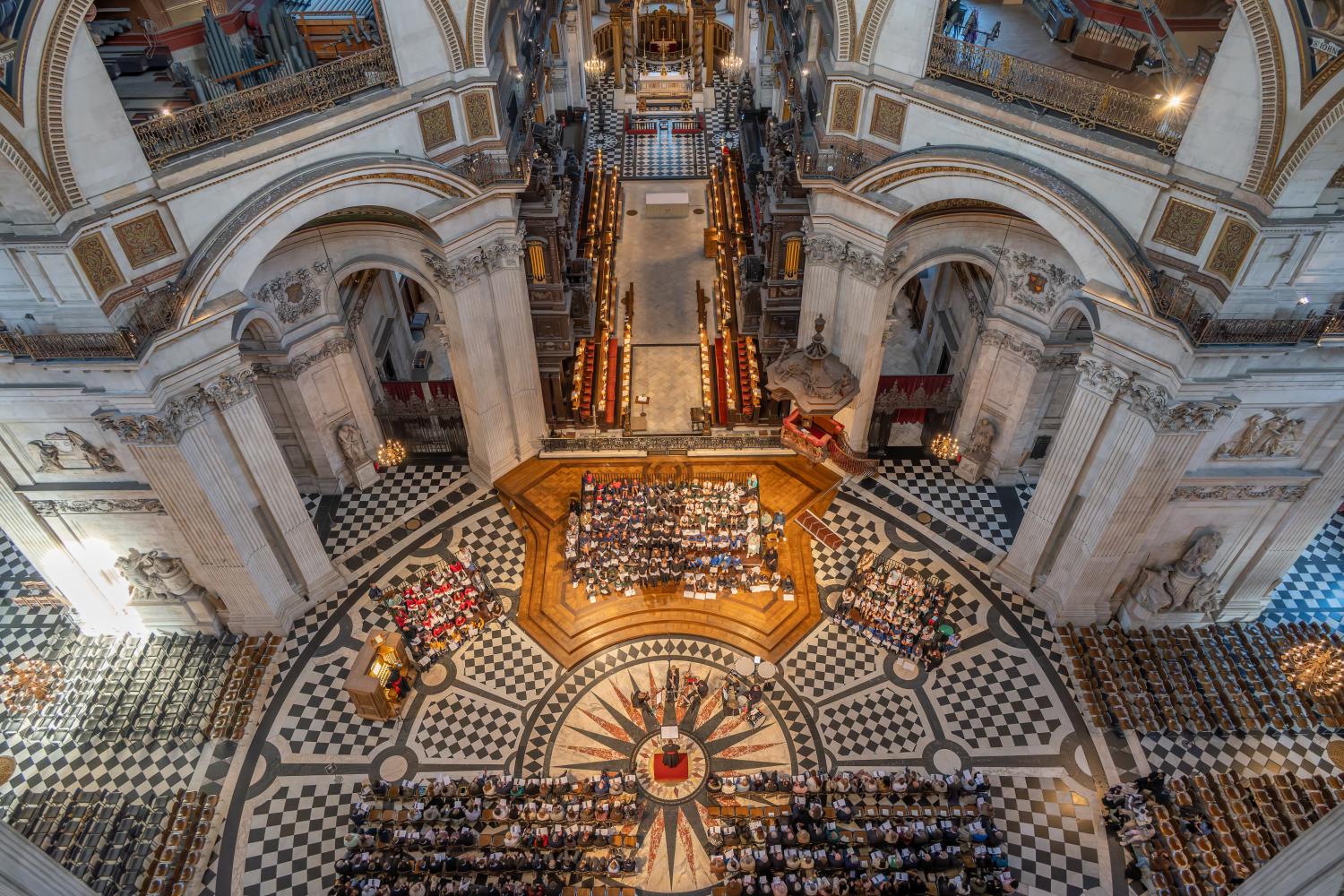
Last month, more than 200 children from across London filled our Cathedral with music to perform ‘Raising the Roof’, a large-scale choral work by composer Richard Quesnel, which premiered in 2023 to commemorate the 300th anniversary of Sir Christopher Wren’s death.
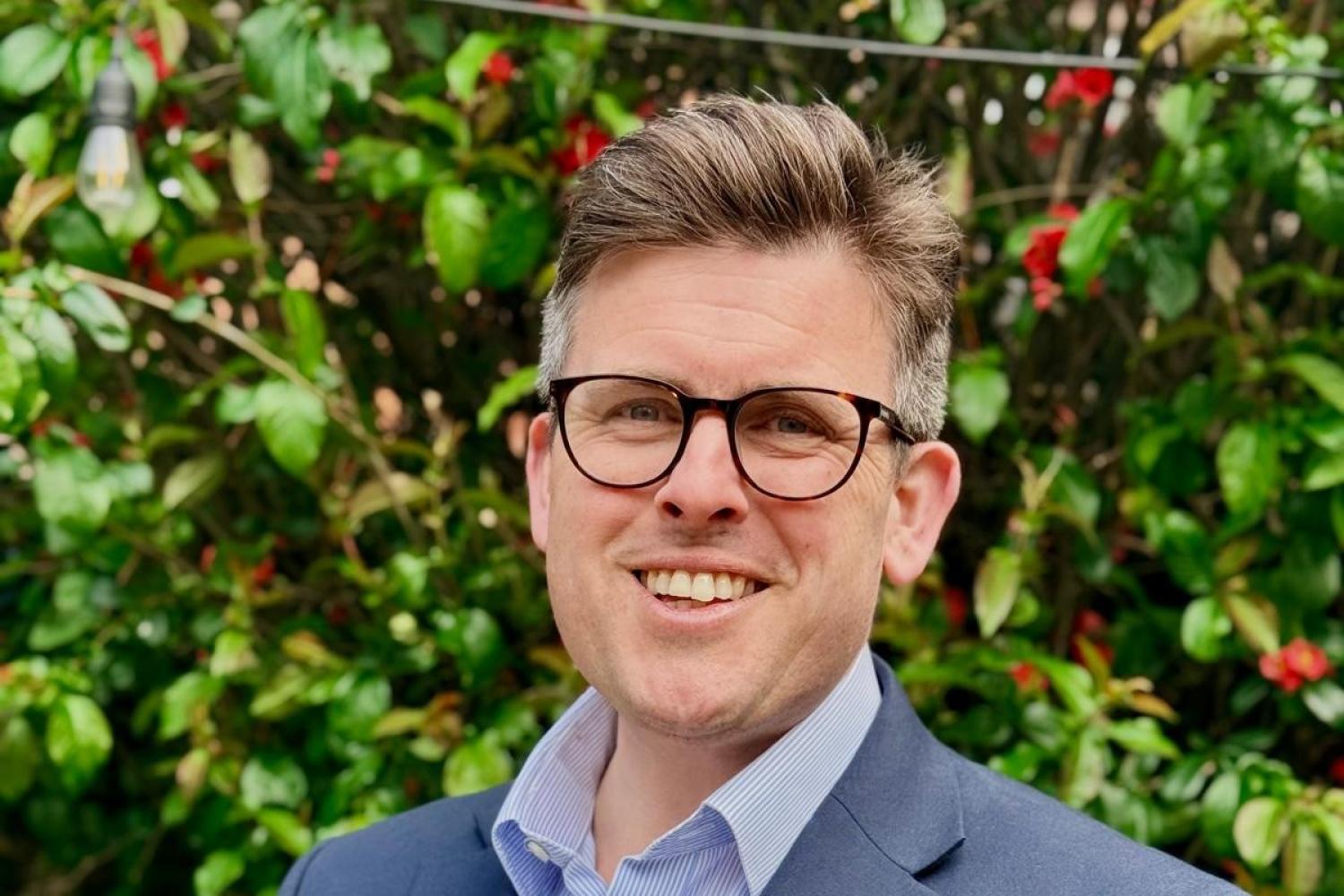
We’re pleased to announce the appointment of an Interim Head for St Paul’s Cathedral School from 1st September 2026 to 31st August 2027. James Featherstone, currently Head of Exeter Cathedral School, will be joining the School for the year.
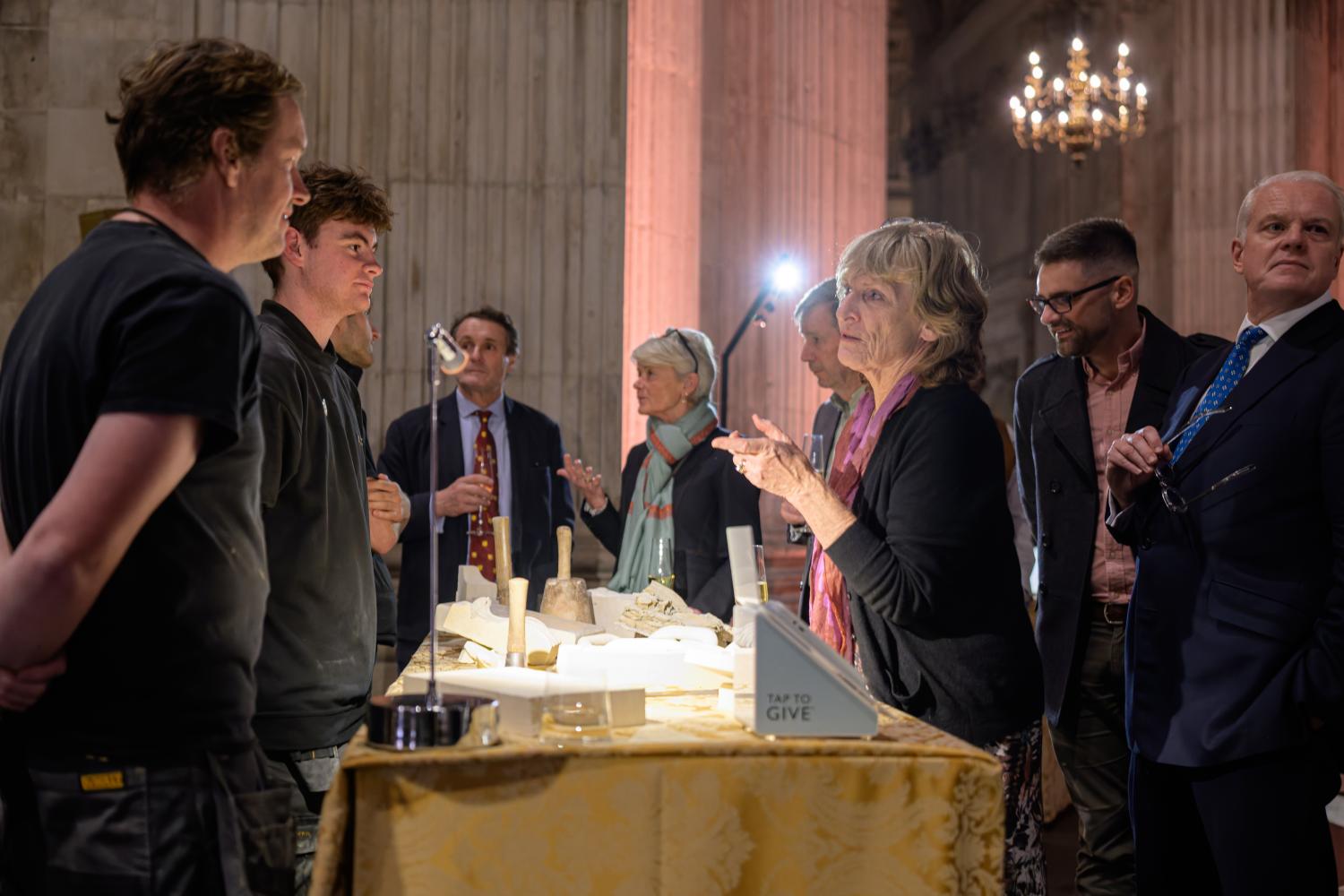
In February, ZDF (a German TV broadcaster) visited our workshops to see the stonemasons and carpenters in action and hear from mason apprentice Henry Stanley on his experience so far working and training at the Cathedral.
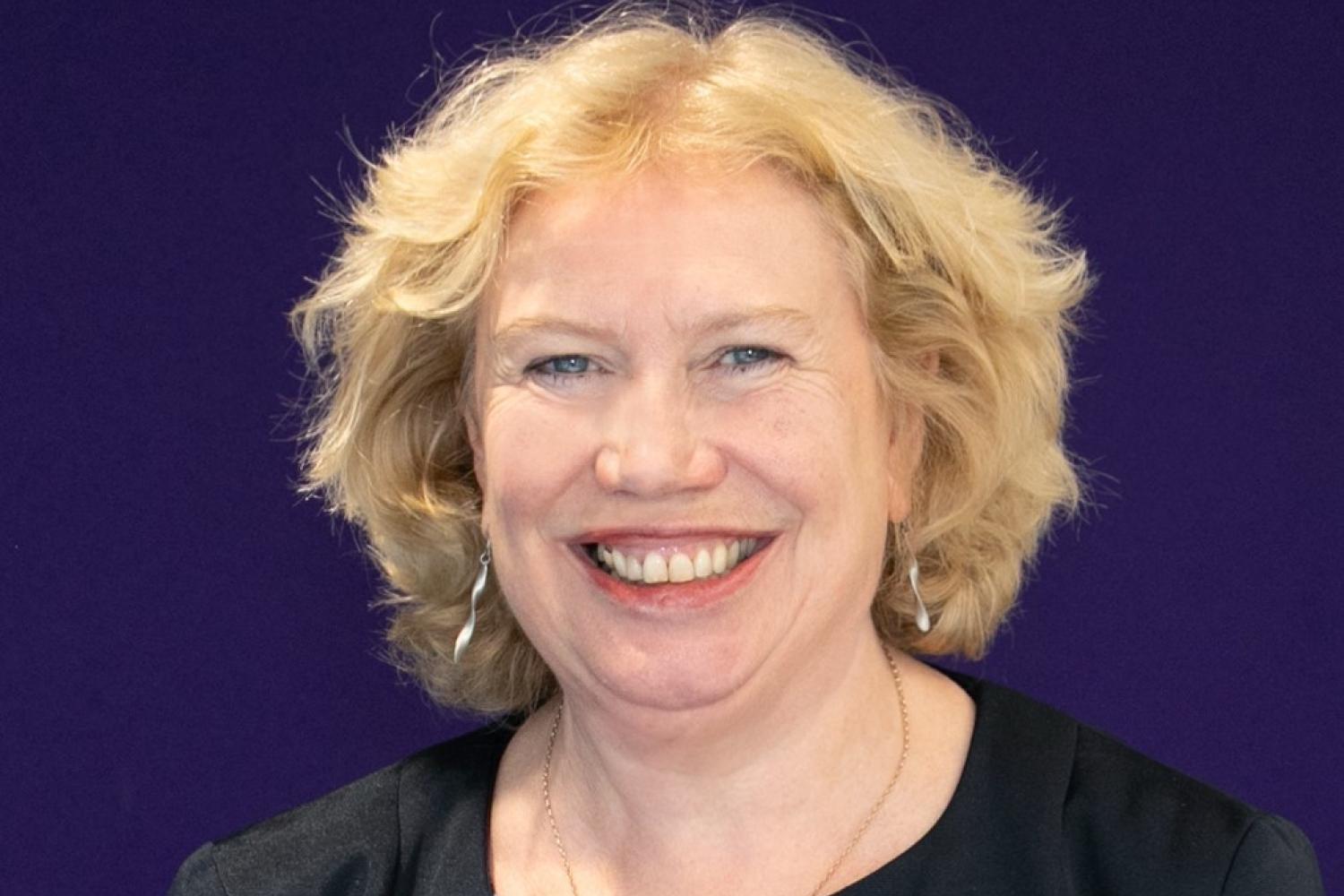
We’re delighted to announce the appointment of Meg Munn as the new Chair for our Safeguarding Advisory Group (SAG).
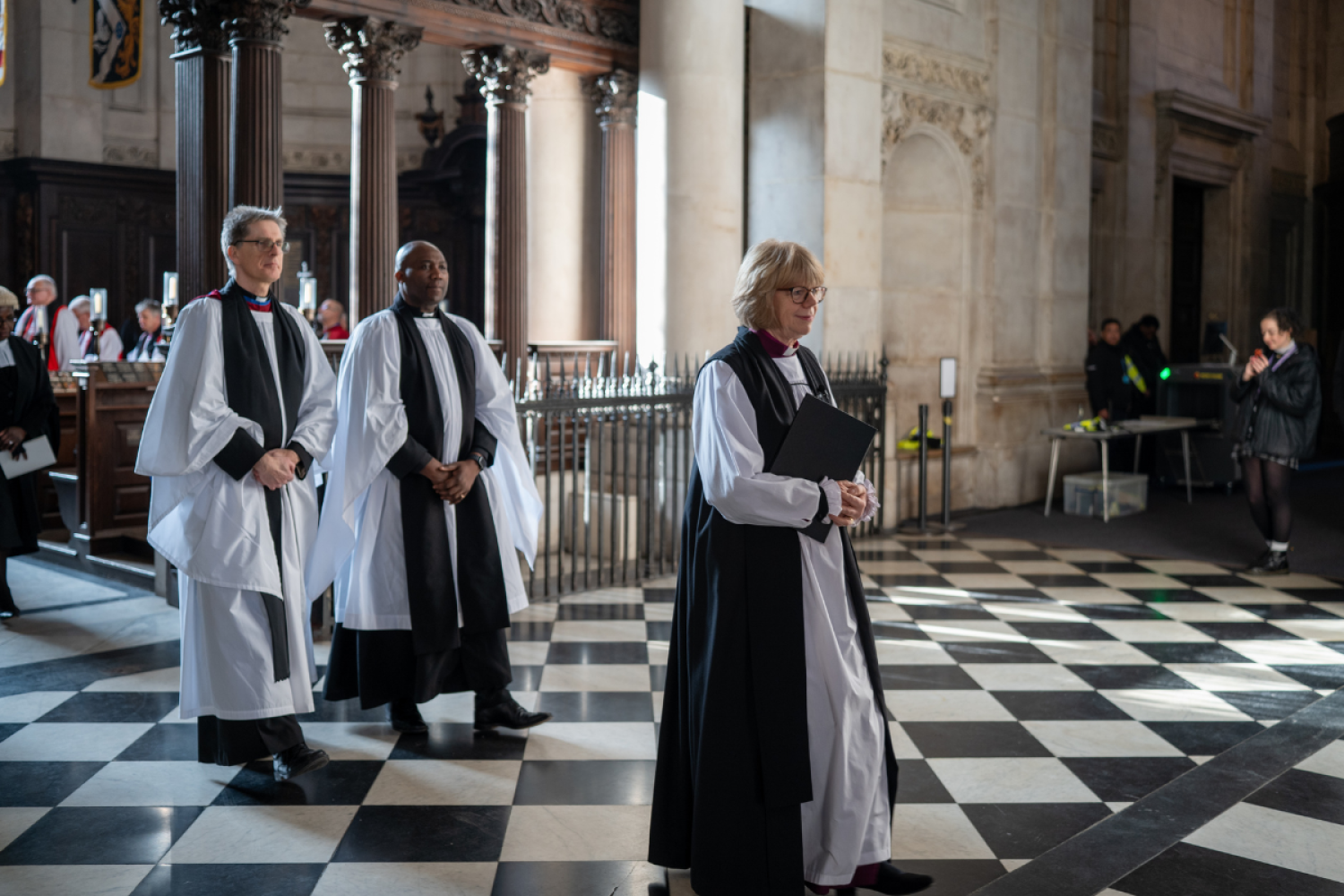
On Wednesday 28th January, Bishop Sarah Mullally DBE became the 106th Archbishop of Canterbury at her Confirmation of Election here at St Paul’s. She is the first woman to hold the office in its 1,400-year history.
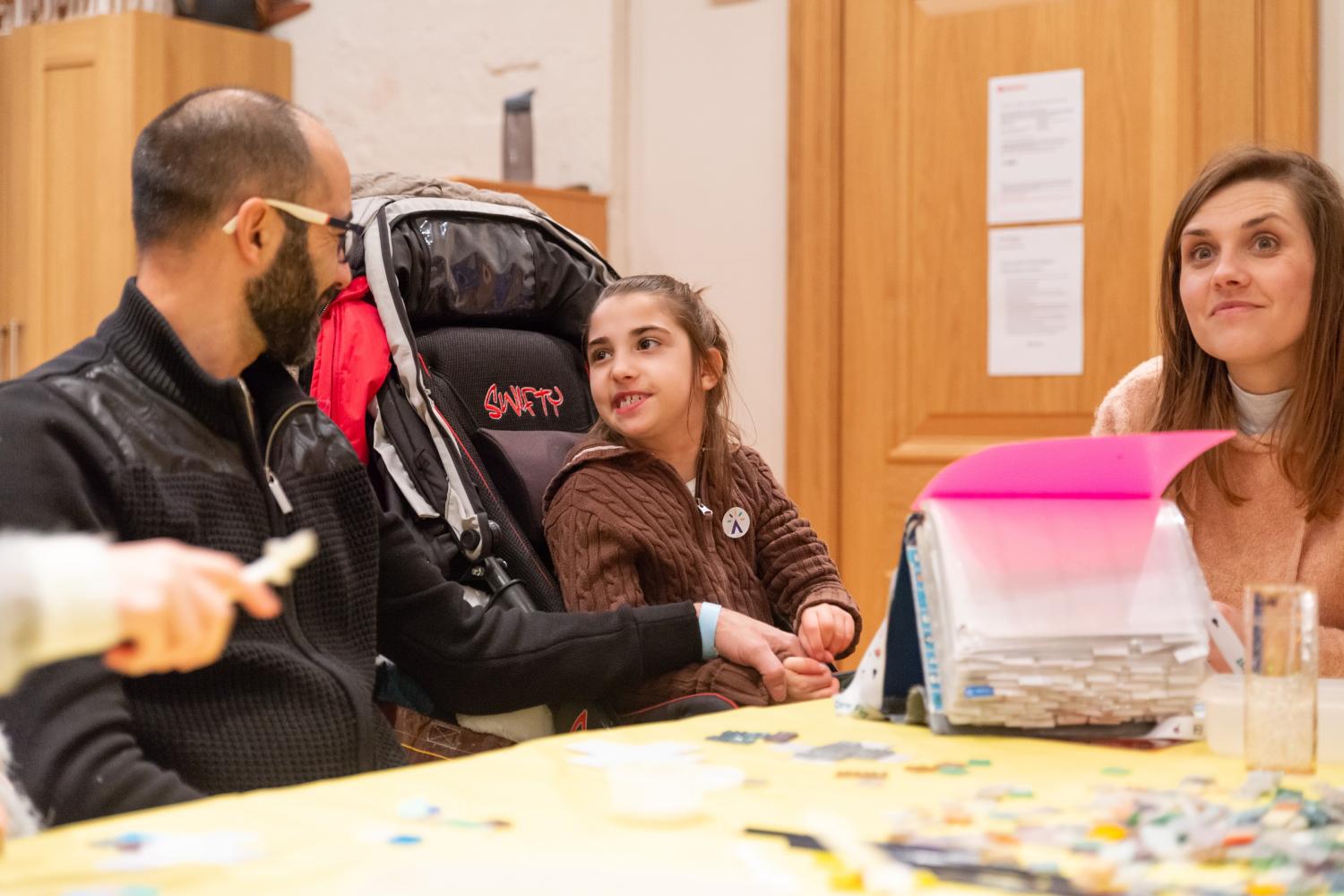
This January, we began work to install a Changing Places Toilet (CPT) in the Crypt, marking the latest step in our ongoing journey to make the Cathedral an inclusive space for all.
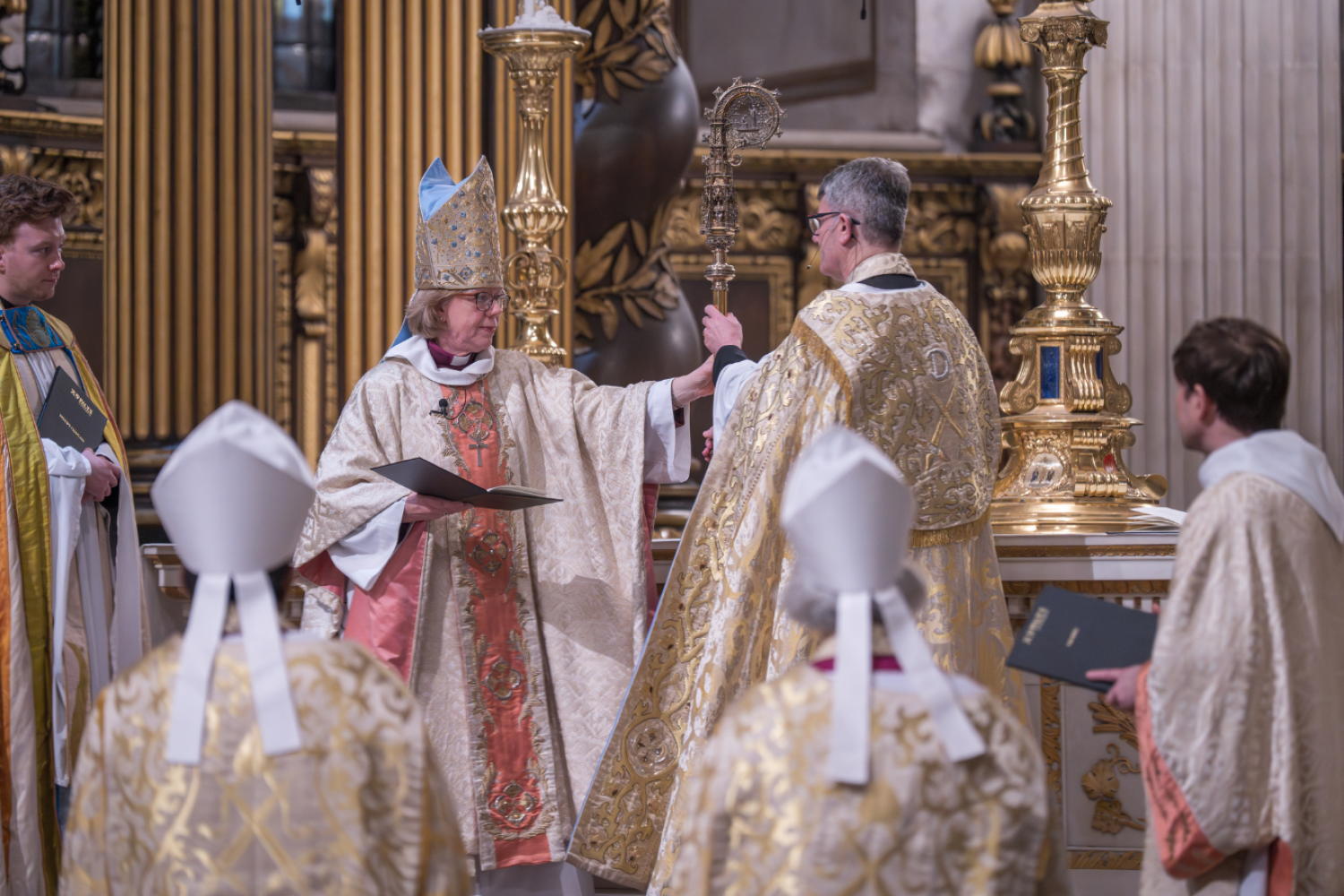
On Saturday 17th January, we held a special Eucharist and Farewell Service to mark the departure of the Right Reverend and Right Honourable Dame Sarah Mullally DBE, the Bishop of London, who will become the Archbishop of Canterbury on 28th January.
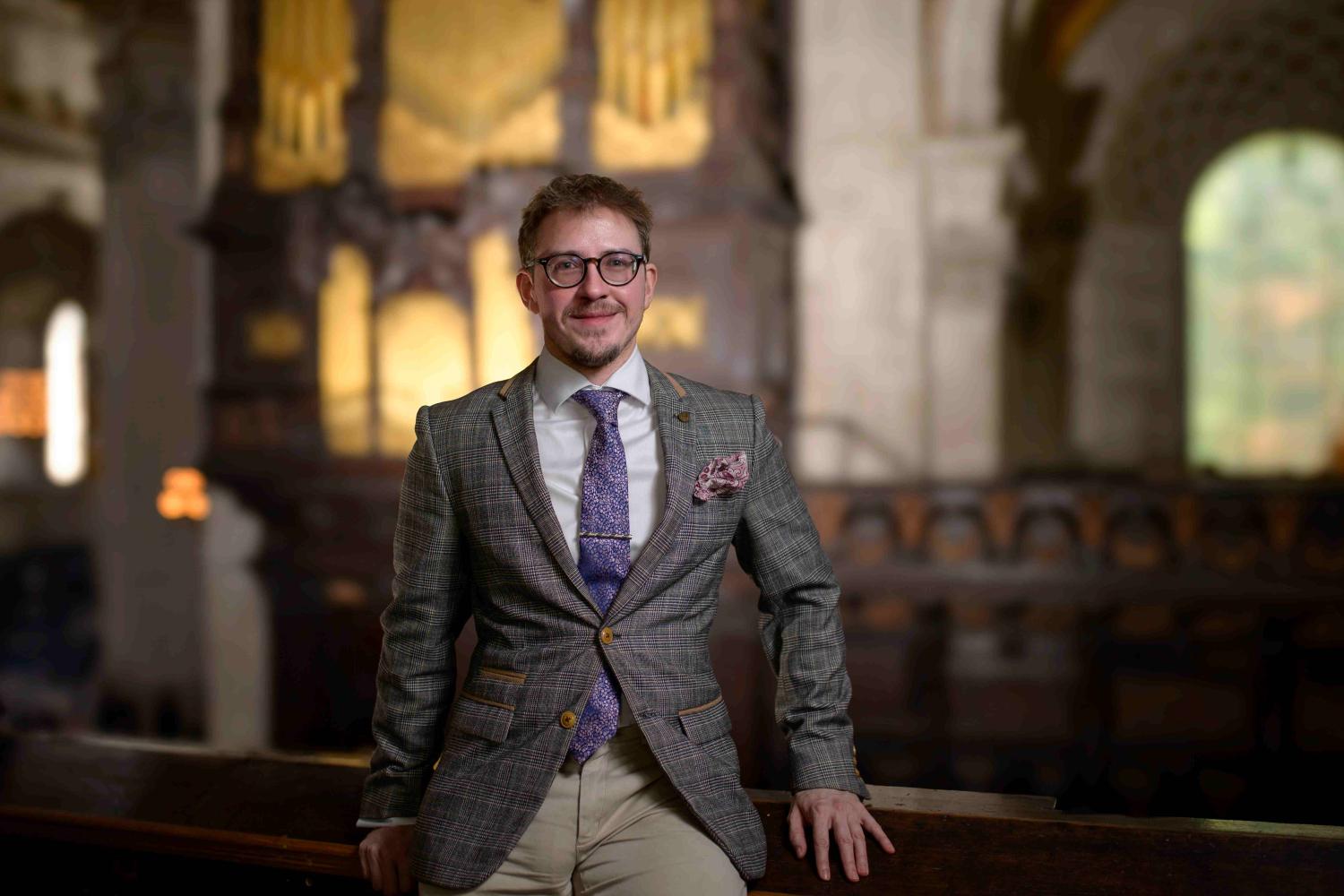
Jeremiah Stephenson, our Organ Education Lead, has been appointed Associate Organist at Saint Thomas Church Fifth Avenue in New York, an institution internationally renowned for its choir and music.
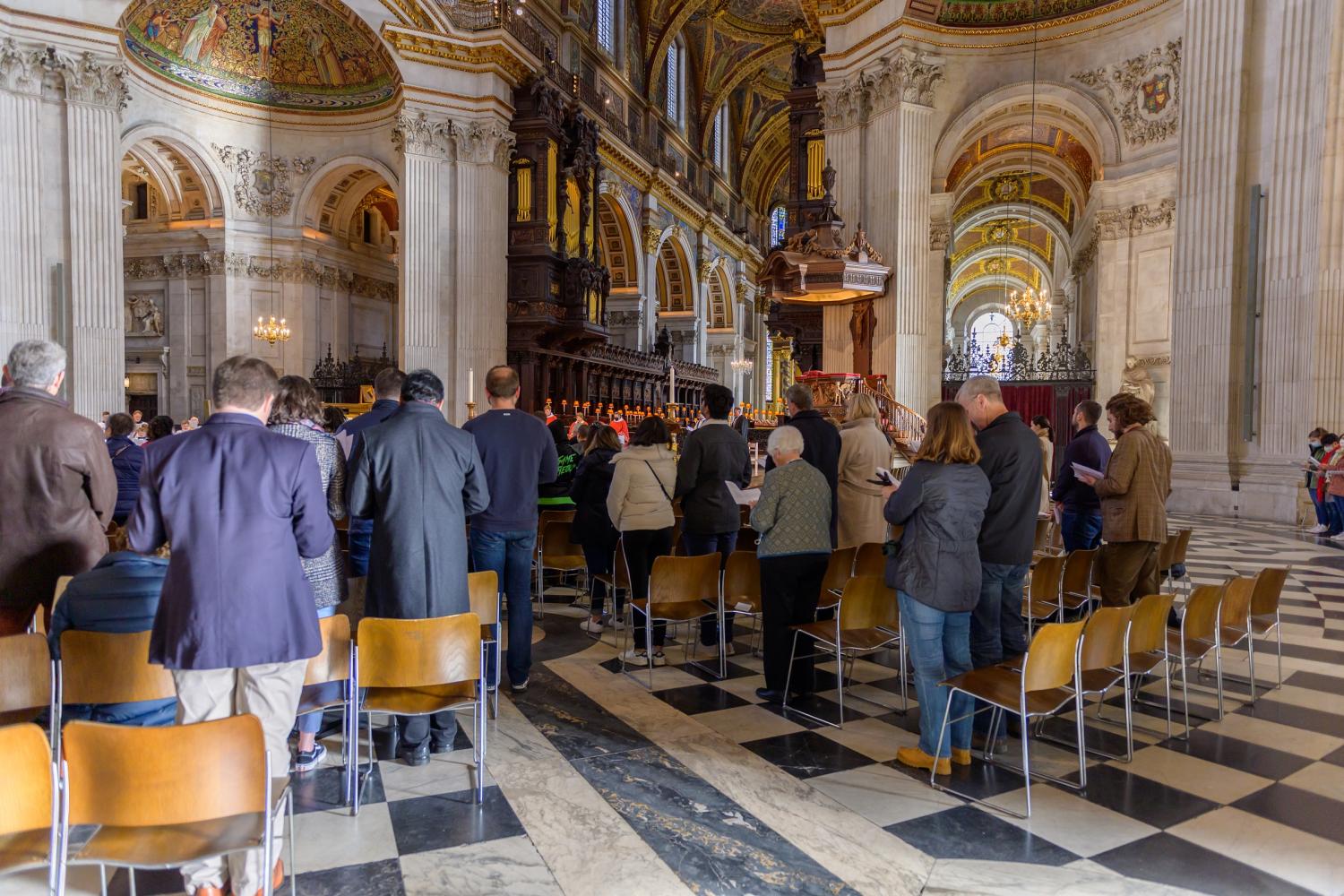
The Bishop of London, the Rt Revd and Rt Hon Dame Sarah Mullally DBE, has announced three new Prebendaries of St Paul’s Cathedral.
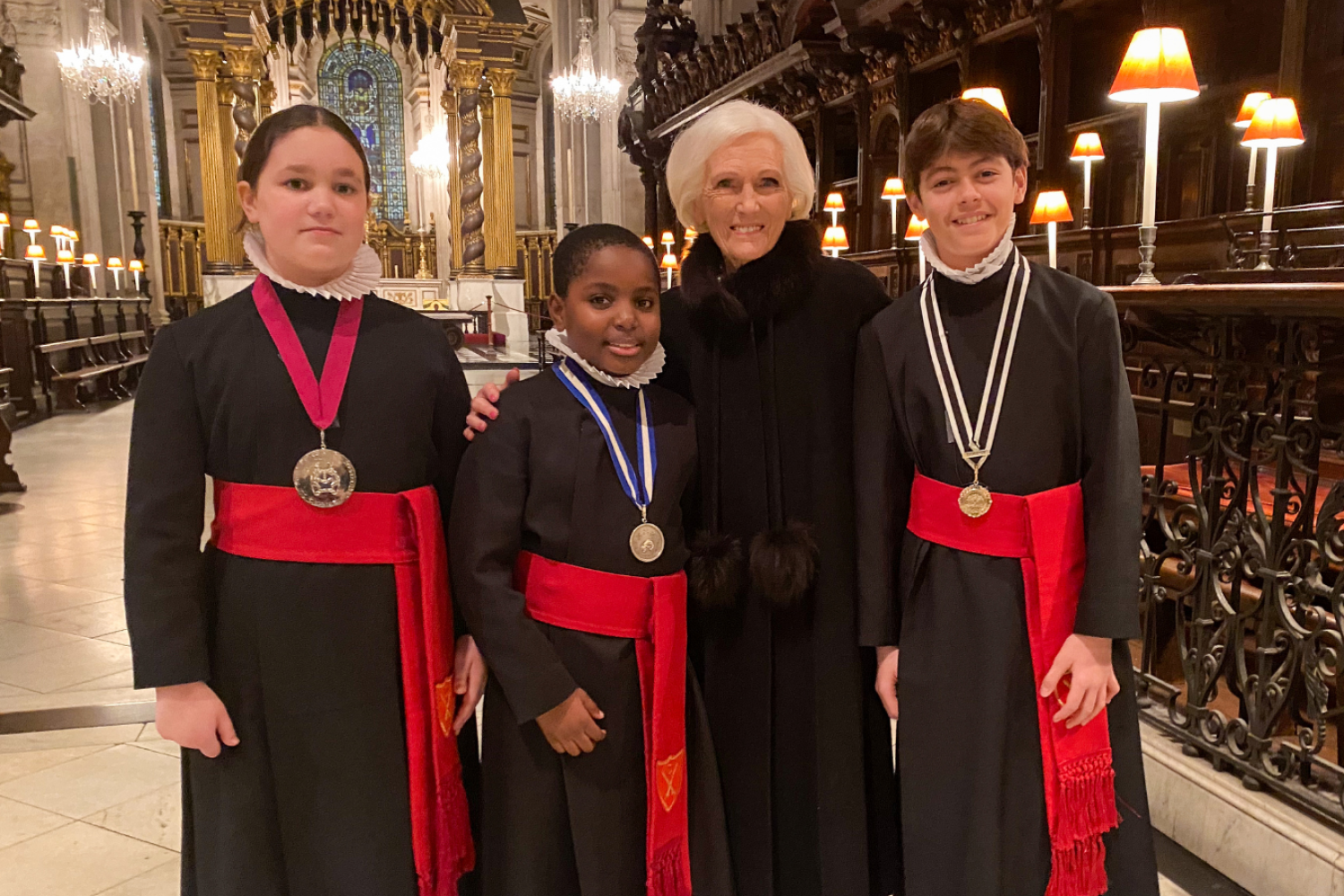
In December last year we had the pleasure of welcoming Dame Mary Berry to the Cathedral to film part of her Christmas special, ‘A Mary Berry Christmas’.
For more information
If you would like more information on any of the news stories listed on this page, please visit our Press and Media page for the contact details of our press office.